












Libero Platform Control, Passing Mechanics, and Serve Receive
The libero serves as the defensive anchor of a volleyball team, demanding flawless platform mechanics and serve receive precision. Establish a wide ready stance with your knees flexed, chest leaning forward, and arms holding a flat, locked forearm platform out in front. Angle your platform shoulders toward the target setter rather than swinging your arms wildly at hard-driven serves. Absorbing serve speed cleanly provides your team with crisp, system offense opportunities.
Digging Hard-Driven Spikes and Floor Emergency Skills
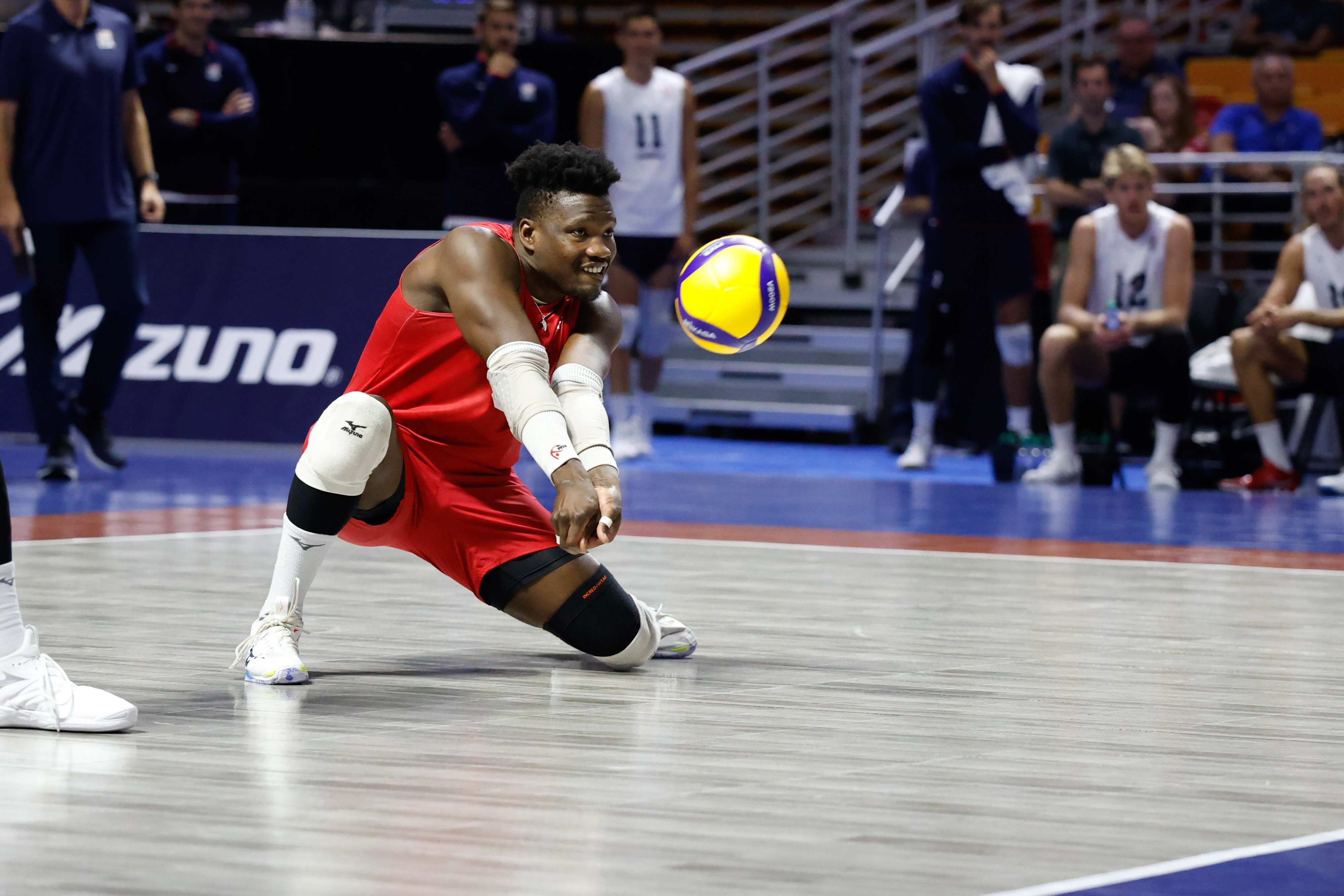
Defending hard-driven spikes requires quick reaction reflexes, low body positioning, and emergency floor recovery skills. Drop low to the floor as the attacker swings, staying on the balls of your feet to react to deflections off the block. Master sprawl and pancake techniques—extending your flat hand flat on the court surface to slide under falling balls—to save seemingly impossible spikes. Emergency floor skills keep rallies alive during chaotic defensive exchanges.
Reading Hitter Shoulders, Seam Alignment, and Base Defense
Reading the opposing hitter’s shoulder direction and approach angle allows liberos to position themselves in the correct defensive seam before the hit. Align your base position along the open seam left by your net blockers, watching the hitter’s hand contact point closely. Stay still and balanced right at the moment of contact so you can react to sharp cross-court spikes or subtle tip shots. Great reading skills turn terrifying spikes into easy digs.
Free Ball Transition, Out-of-System Setting, and Coverage
Liberos must seamlessly transition from back-row defense to active out-of-system playmaking when the setter digs the first ball. Step up aggressively to set second-ball high passes to outside hitters using clean forearm bump setting or hand setting behind the 10-foot line. Cover your team’s hitters closely on every attack, diving to dig balls blocked back down by the opposing net wall. Total defensive engagement sustains offensive momentum.
Defensive Leadership, Energy, and Court Communication
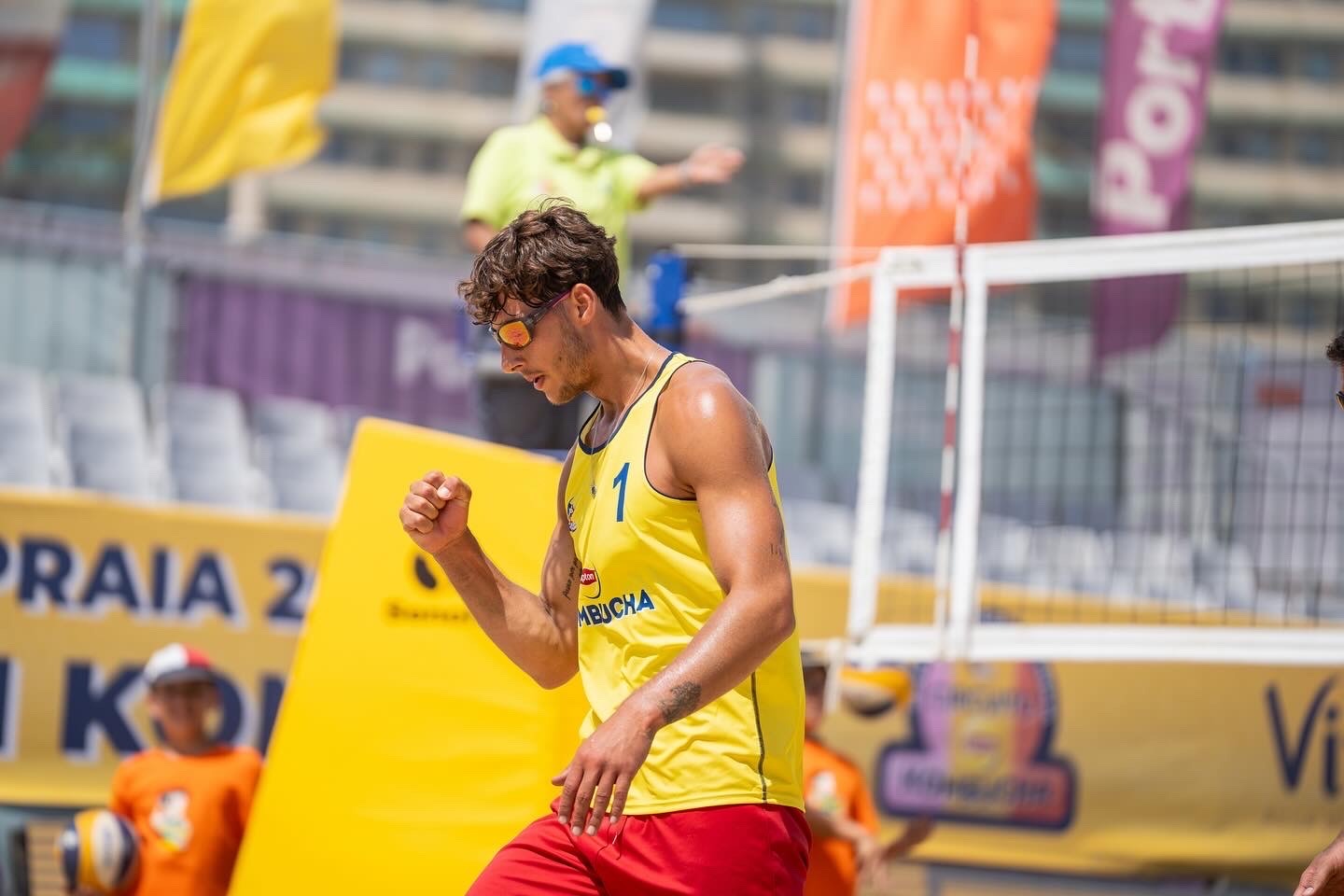
A great libero inspires the entire team through non-stop vocal energy, relentless pursuit hustle, and defensive organization. Shout out server locations, offensive hitter rotations, and tip threats loudly before every rally begins. Embrace the sacrifice of diving for loose balls, inspiring teammates with fearlessness and emotional energy. Vocal leadership from the back row sets a relentless defensive identity for your team.
Frequently Asked Questions (FAQs)
What is the proper forearm platform setup for a libero? Place one hand inside the other, press thumbs together side-by-side pointing down, lock your elbows straight, and create a flat surface with your forearms.
How does a pancake dig work in volleyball defense? A pancake dig involves sliding your hand completely flat onto the floor palm-down right under a falling ball, allowing it to bounce off the back of your hand.
Can a libero set a hitter with their hands inside the 10-foot line? A libero can hand-set inside the 10-foot line, but the hitter must attack the ball while it is below the top tape of the net. Otherwise, it is an illegal attack fault.
How should a defender position themselves relative to the net block? Position yourself in the open passing seam or visual corridor left uncovered by your net blockers, reading the hitter’s shoulder angle directly through the gap.
What is hitter coverage, and why is the libero responsible for it? Hitter coverage is positioning yourself low near your attacking teammate to dig balls that are blocked directly back into your court by the opposing net defense.