














Beach Volleyball Movement, Sand Footwork, and Conditioning
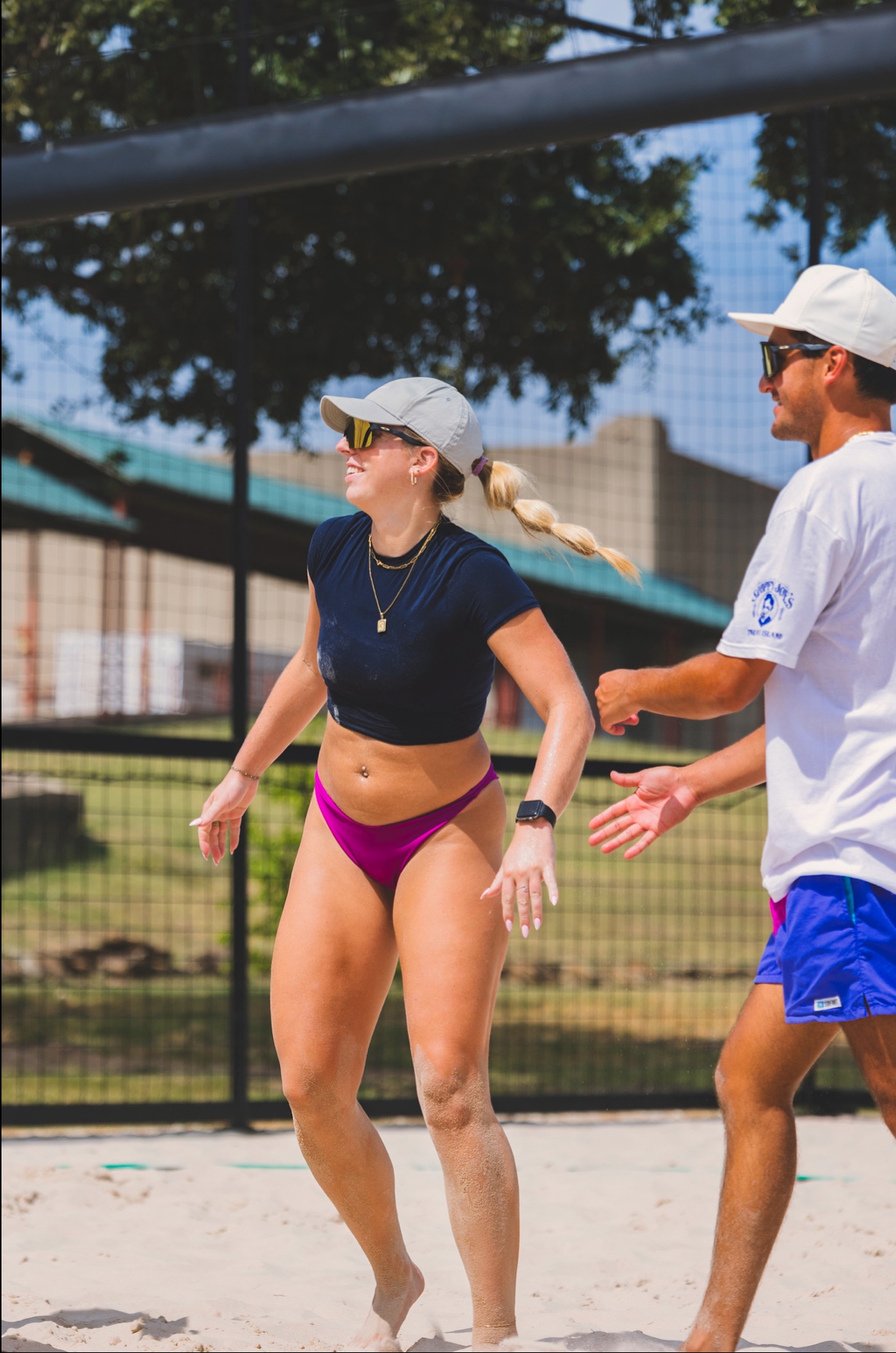
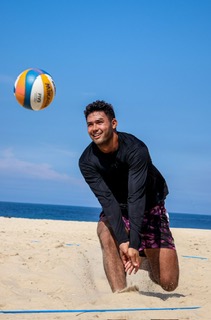
Playing beach volleyball demands explosive lower-body power, spatial adaptability, and deep conditioning to navigate deep sand surfaces. Move across the sand using short, active steps rather than long strides, keeping your center of gravity low to maintain balance. Plant firmly with a wide base before jumping, using a quick, deep double-leg load to pop upward out of the shifting sand. Elite sand conditioning ensures you maintain high jumping elevation across multi-set matches in hot weather conditions.
Two-Player Communication, Court Coverage, and Wind Strategy
With only two players covering a full court, seamless communication and strategic wind management are essential for winning matches. Call out ball assignments loudly (“Mine!”, “Yours!”) on every pass, serve receive, and defensive scramble. Adjust your setting and hitting angles based on wind direction—setting higher into headwinds and keeping passes lower downwind. Strategic communication eliminates court voids and keeps your offense fluid in chaotic weather.
Deep-Sand Setting, Hand Setting Rules, and Bump Setting
Setting on the beach requires strict adherence to hand-setting rules or mastering a high-spin bump set under shifting sand conditions. When hand setting, take the ball deep into your hands near your forehead, releasing it cleanly without spin to avoid strict double-contact faults. Utilize crisp bump setting with your forearms when wind conditions make hand setting risky or unpredictable. Consistent setting accuracy provides your hitter with clean scoring opportunities.
Shot Selection, Cobra Shots, Pokey Hits, and Roll Shots
Beach volleyball hitting relies far more on smart shot placement and vision than raw power spiking alone. Master shot variations such as the pokey (knuckle shot into open space), the cobra (extended fingertip tip), and sharp deep cross-court roll shots. Scan the defensive blocker and defender before hitting to place shots into undefended sand areas. Diverse shot selection neutralizes tall net blockers cleanly.
Block-or-Peel Defense and Reading Hitting Angles
Defensive strategy on the beach centers on clear block-or-peel signals made behind the back between partners before the serve. The net player communicates whether they are blocking line, blocking angle, or peeling off the net to defend open sand. The back-court defender reads the hitter’s shoulder angle and adjusts their position to dig roll shots or hard spikes. Synchronized block-and-peel coordination frustrates opposing hitters.
Frequently Asked Questions (FAQs)
How does jumping on sand differ from jumping on an indoor volleyball court? Sand absorbs force, requiring a wider, deeper double-leg loading plant with shorter approach steps rather than a long indoor jump approach.
What are the main hand-setting rules in beach volleyball? Hand sets on the beach are judged strictly against spin and double contact; the ball must be taken clean and released smoothly without visible rotation.
What is a “pokey” shot in beach volleyball? A pokey is a shot executed using firm knuckles to push or poke the ball accurately into open sand spots over or around net blockers.
What do hand signals behind the back mean in beach volleyball? Hand signals indicate defensive blocking plans to the back-court partner—such as one finger for blocking line or two fingers for blocking angle.
How should players adjust their strategy when playing in heavy wind? Pass and set the ball closer to the net and lower into headwinds, avoid high risky hand sets, and serve strategically into difficult wind corridors.