











Acceleration Positioning, Shin-Angle Integrity, And First-Step Direction In Menlo Park, CA
Speed leaks usually come from posture, not effort, and athletes often pop upright too early and lose the drive phase. Our coaches believe acceleration is about positions and intent, so athletes learn shin-angle integrity, first-step direction, and how to keep the body projecting forward without reaching. Athletes Untapped supports athletes who want this to carry into sport practice because the same first-step errors show up in soccer, football, lacrosse, and basketball. Early on, athletes try harder and get the same result, then it clicks when cleaner positions produce speed that feels easier. You see it when the first steps look sharper, the torso stays forward longer, and the athlete covers more ground without extra strain.
Deceleration Skill, Braking Posture Control, And Re-Acceleration Efficiency In Menlo Park, CA
Cuts fail when athletes cannot slow down cleanly, which turns every change of direction into a wide turn or a slip. Our staff teaches change of direction as braking first, so athletes learn deceleration skill, posture control, and re-acceleration angles that stay aligned. Athletes often start by slamming the brakes and losing balance, then the shift happens when they learn to sink smoothly and redirect with control. Coaching remains realistic, tying the teaching to what the athlete feels in the hips and feet, not a prescribed drill script. The visible change is that they stop needing extra steps to recover and explode out of cuts with cleaner lines.
Jump Coordination, Landing Mechanics, And Force Absorption Confidence In Menlo Park, CA
Athletes can jump high and still land poorly, and on firmer surfaces that creates hesitation and noisy, unstable landings. Our coaches believe landing quality protects performance, so athletes learn force absorption, knee and hip alignment, and confident landings that set up the next movement. Athletes Untapped fits when athletes want consistent feedback on these positions across weeks, because safer landings become automatic only through repetition. Early on, athletes feel stiff and cautious, then it clicks when controlled landings make them feel faster, not slower. You see it when landings get quieter, posture stays organized, and the athlete rebounds into the next action without wobbling.
Rotational Power Transfer, Trunk Stability Timing, And Multi-Sport Movement Connection In Menlo Park, CA
Some athletes feel strong in the gym but lose power when they rotate or change direction because the trunk leaks energy. Our staff teaches trunk stability as timing, so athletes learn rotational power transfer, stability without rigidity, and how hips and shoulders connect during fast movement. Athletes often start by bracing too hard and moving stiff, then the shift happens when they find stability that still allows speed. Athletes Untapped supports continuity for multi-sport athletes who want the same movement language across seasons, because the patterns repeat even when the sport changes. The visible difference is that they stay connected through contact, rotate with control, and create power without drifting off line.
Repeat-Sprint Ability, Fatigue-Proof Mechanics, And Recovery Choice Habits In Menlo Park, CA
Athletes who start fast and fade late usually lose mechanics first, then their decisions get sloppy because the body feels heavy. Our coaches believe repeat-sprint ability is physical and behavioral, so athletes learn fatigue-proof mechanics, smarter recovery choices, and pacing awareness that preserves speed for later moments. Athletes Untapped supports this when athletes want consistency across tournament weekends, because the same late-game breakdowns show up until recovery and mechanics are trained together. Early on, athletes feel helpless once tired, then it clicks when they recognize the first sign of form collapse and adjust before it becomes a full drop-off. You see it when late-game sprints stay sharper, posture holds longer, and effort stops turning into reaching.
Common FAQs
🏋️ How much does private Strength & Speed coaching cost in Menlo Park, CA?
Private strength and speed coaching in Menlo Park typically runs $105 to $210 per hour for one-on-one sessions. The higher end often reflects coaches who personalize sprint mechanics, change-of-direction technique, and strength programming with careful progression. Around the Bayfront Trail paths, athletes often respond well to coaching that emphasizes efficiency so speed improves without feeling beat up.
⌚ What age should kids start private Strength & Speed coaching?
A common starting range is ages 10 to 18 for private strength and speed coaching. Ages 10 to 12 often focus on movement quality and sprint form, while ages 13 to 18 can add structured strength and power safely. Our coaches also adjust training around school and sport seasons so the athlete builds up, not burns out.
💪 Is private Strength & Speed coaching worth it for young athletes?
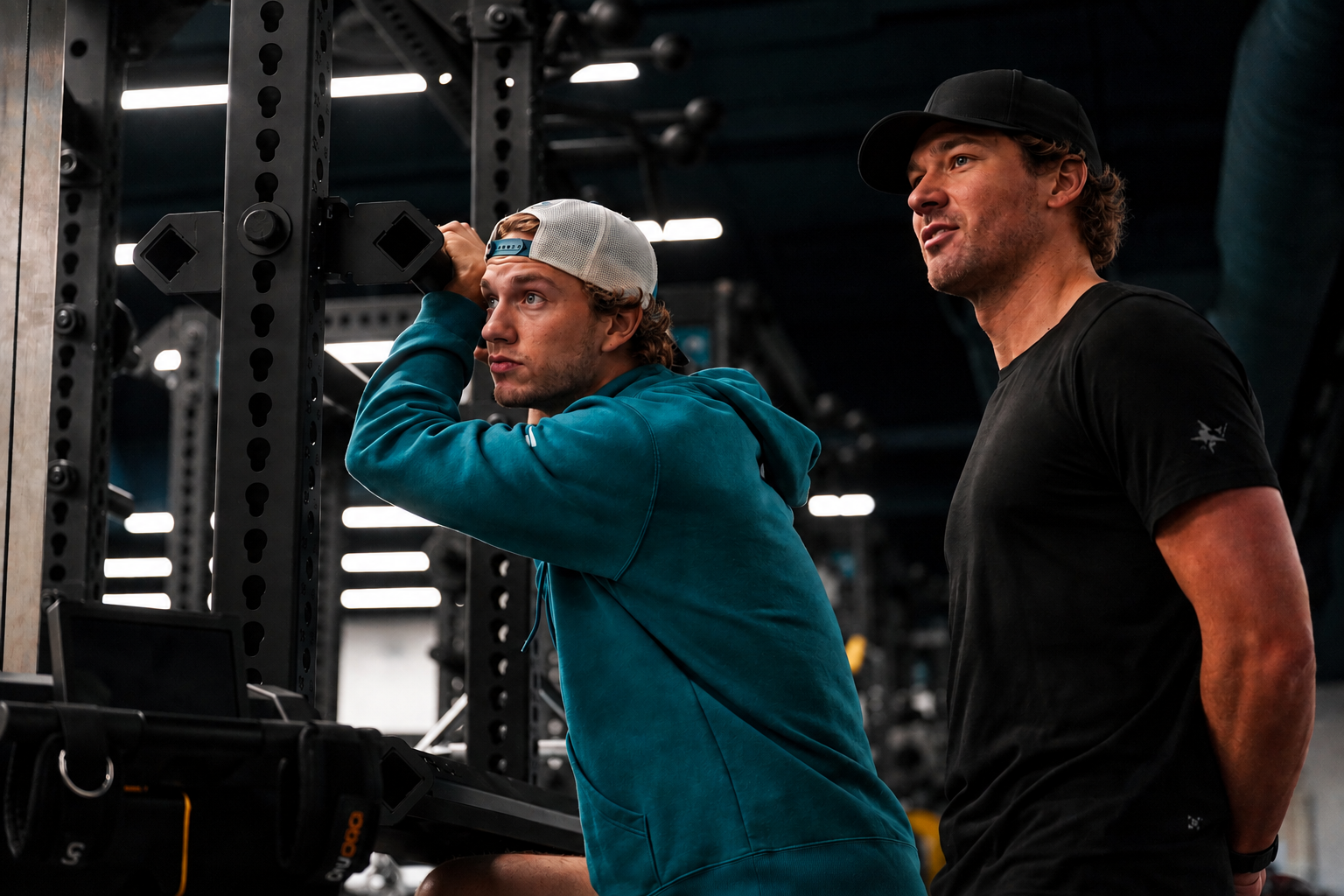
It can be worth it when a hardworking athlete feels stuck, constantly sore, or oddly slow despite training. One-on-one coaching often fixes small mechanical issues that unlock better speed and power. Athletes Untapped coaches usually keep progress measurable so the athlete feels motivated without chasing exhaustion.
⭐ How do I find the best private Strength & Speed coach in Menlo Park, CA?
Ask how the coach handles recovery and workload, especially for multi-sport athletes. You’ll also want to hear how they teach technique in a way your child can repeat safely outside of sessions. A strong coach builds confidence through structure, not intensity for intensity’s sake.
👀 What should I look for in a private Strength & Speed coach for my child?
Look for a coach who prioritizes movement quality first, then increases intensity once the athlete owns the basics. Sessions should feel organized and progressive, not random. When it’s working, your child starts feeling more explosive and more durable at the same time.