









California Ice Hockey Coaches Delivering Personalized Training for Competitive Players
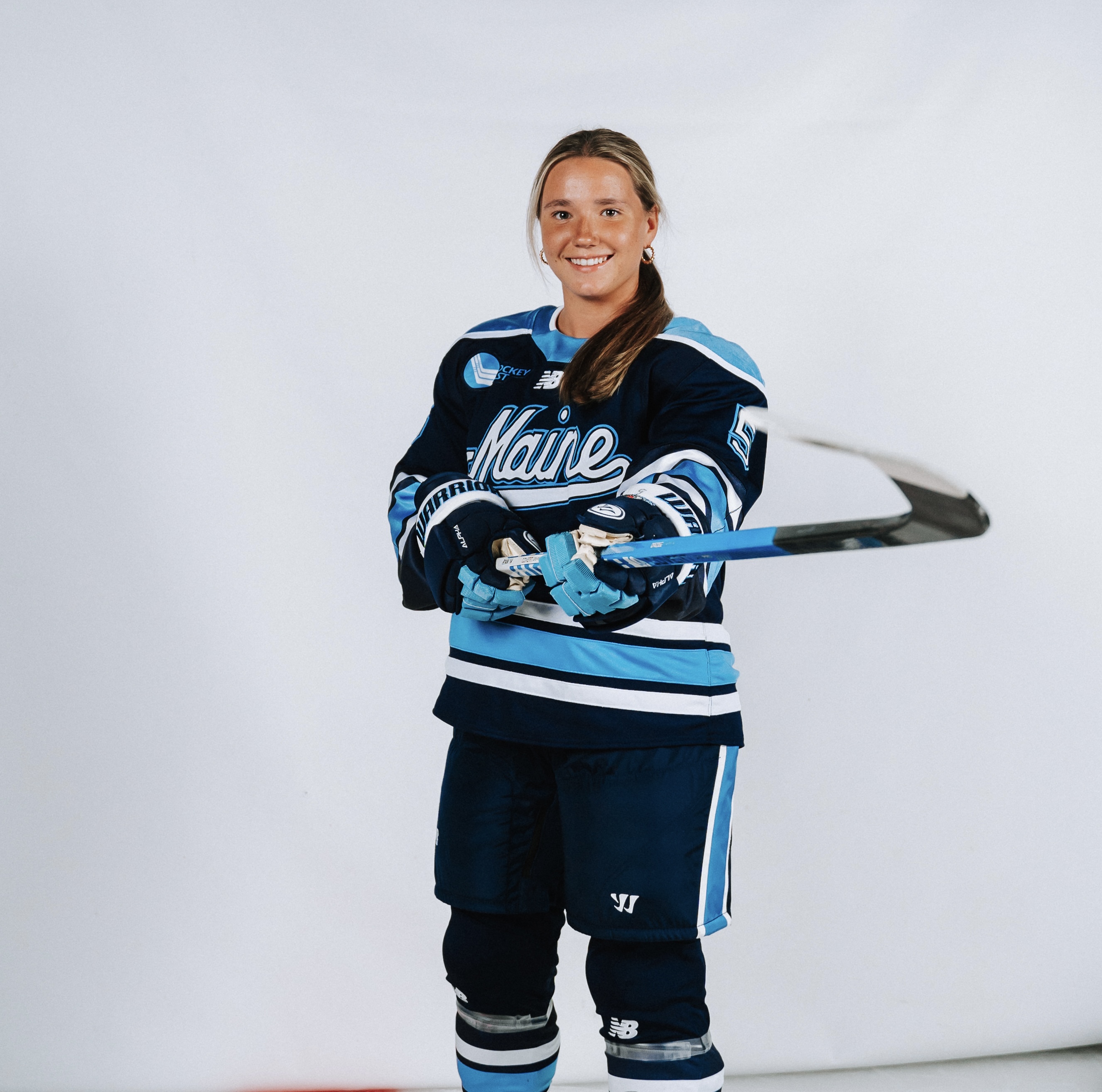
Ice hockey players throughout California are using private coaching sessions to improve skating mechanics, stickhandling, shooting accuracy, and overall game awareness outside of regular team practices. Through Athletes Untapped, families can connect with experienced hockey coaches who create individualized training plans tailored to each athlete’s goals and skill level. Whether players are preparing for travel hockey, high school competition, or advanced development camps, one-on-one instruction can help accelerate growth on the ice.
Private Ice Hockey Lessons Near Los Angeles, Anaheim, and San Jose
California’s hockey community continues to grow, and athletes are looking for flexible training opportunities that fit their schedules year-round. Private ice hockey coaches available through Athletes Untapped work with players in Los Angeles, Anaheim, San Jose, San Diego, and nearby areas to strengthen fundamentals and improve confidence during live game situations. Individual sessions allow athletes to focus on specific areas like edge work, puck control, passing under pressure, and quick-release shooting.
Elite Hockey Training in California for Forwards, Defensemen, and Goalies
Position-specific coaching has become an important part of hockey development for athletes trying to gain an edge in competitive environments. Forwards can work on acceleration and offensive creativity, defensemen can improve gap control and transition skating, while goalies receive focused instruction on positioning and reaction timing. Coaches found through Athletes Untapped often bring collegiate, junior league, or professional playing experience that helps athletes train with real-game insight and proven development techniques.
Youth Ice Hockey Instruction Focused on Skill Development and Confidence
For younger players, private hockey lessons can build a strong technical foundation while making the learning process more enjoyable and encouraging. One-on-one sessions give coaches the ability to break down skating form, puck movement, and hockey fundamentals at a pace that fits the athlete’s development. Parents searching through Athletes Untapped appreciate having access to trainers who prioritize both long-term skill progression and a positive training atmosphere for youth hockey players.
Why California Hockey Families Invest in Private Coaching Sessions
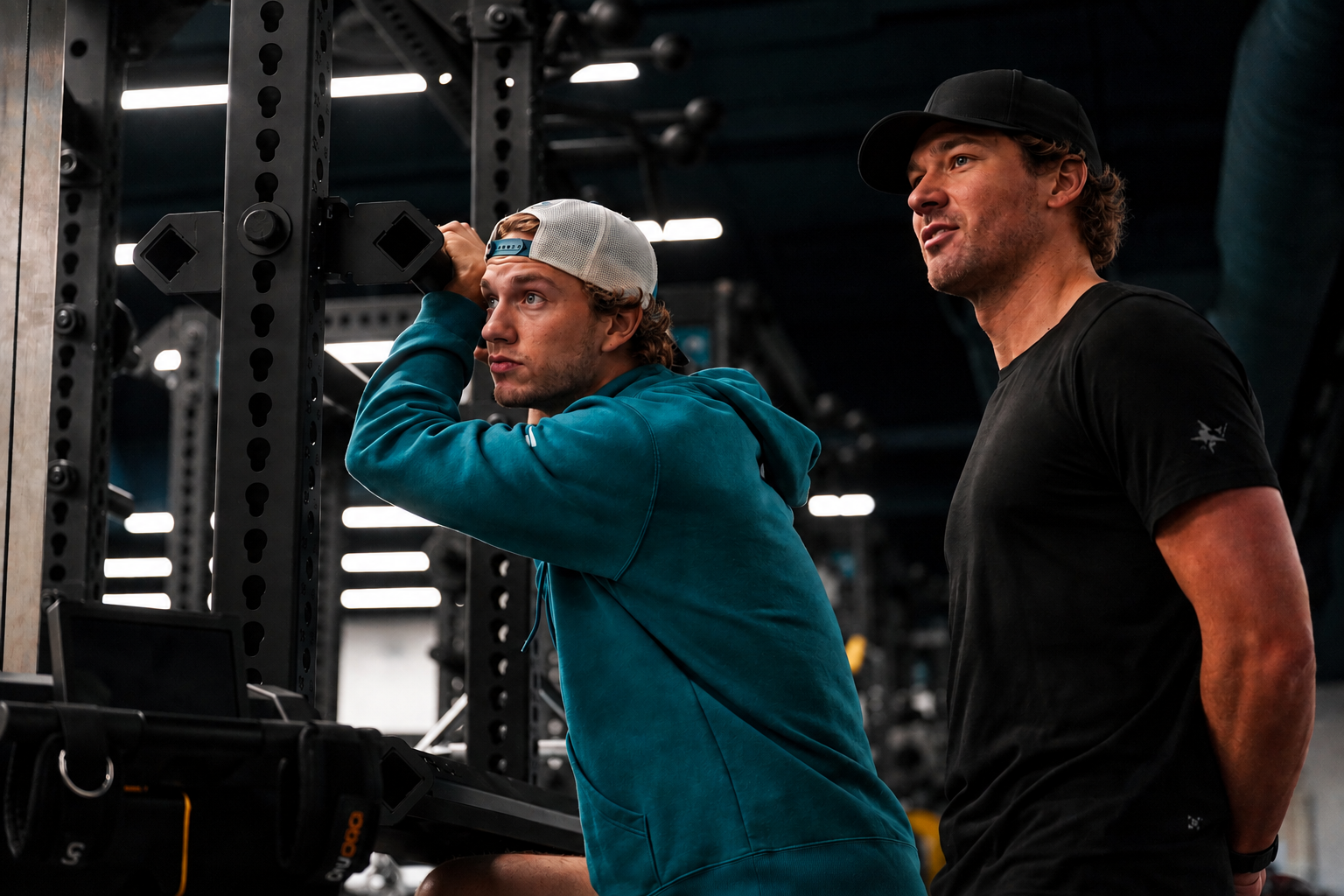
As competition continues to increase across California youth and club hockey, many families are turning to supplemental training to help athletes continue improving throughout the season and offseason. Private coaching provides immediate feedback, personalized instruction, and extra repetitions that are difficult to replicate during team practices alone. By training with knowledgeable coaches through Athletes Untapped, players can continue refining their skills while preparing for tryouts, tournaments, and higher levels of hockey competition.
🏒How Much Does Private Ice Hockey Coaching Cost in California?
Private Ice Hockey coaching in California generally ranges from $30 to $150 per session, depending on the coach’s background, rink location, and whether lessons focus on skating, stickhandling, or position-specific training. Families using Athletes Untapped can connect with experienced Ice Hockey coaches who provide customized instruction for youth, travel, and competitive players across the state.
⌚️What Age Should Kids Start Private Ice Hockey Coaching?
Many athletes begin private Ice Hockey training between ages 6 and 12 once they develop basic skating skills and start organized league play. Coaches available through Athletes Untapped help younger players improve edge work, puck control, and overall confidence in a structured but encouraging environment.
💪Is Private Ice Hockey Coaching Worth it for Young Athletes?
Private Ice Hockey coaching can be extremely beneficial because it gives players individualized attention that’s difficult to get during full team practices. Through Athletes Untapped, athletes can work directly with knowledgeable trainers to sharpen skating technique, improve hockey IQ, and accelerate long-term development on the ice.
⭐How do I find the best private Ice Hockey coaching in California?
To find the best private Ice Hockey coaching in California, parents should look for trainers with strong playing experience, proven teaching ability, and positive athlete feedback. Athletes Untapped makes it easy to compare private Ice Hockey coaches based on experience, specialties, and training availability throughout California.
👀What should I look for in a private Ice Hockey coach for my child?
A strong private Ice Hockey coach should focus on skill progression, communication, and creating a positive atmosphere where athletes feel motivated to improve. Parents searching on Athletes Untapped can find coaches who tailor training sessions to each player’s age, skill level, and competitive goals while emphasizing proper fundamentals and game awareness.