Why Mental Performance Is Critical in Competitive Swimming
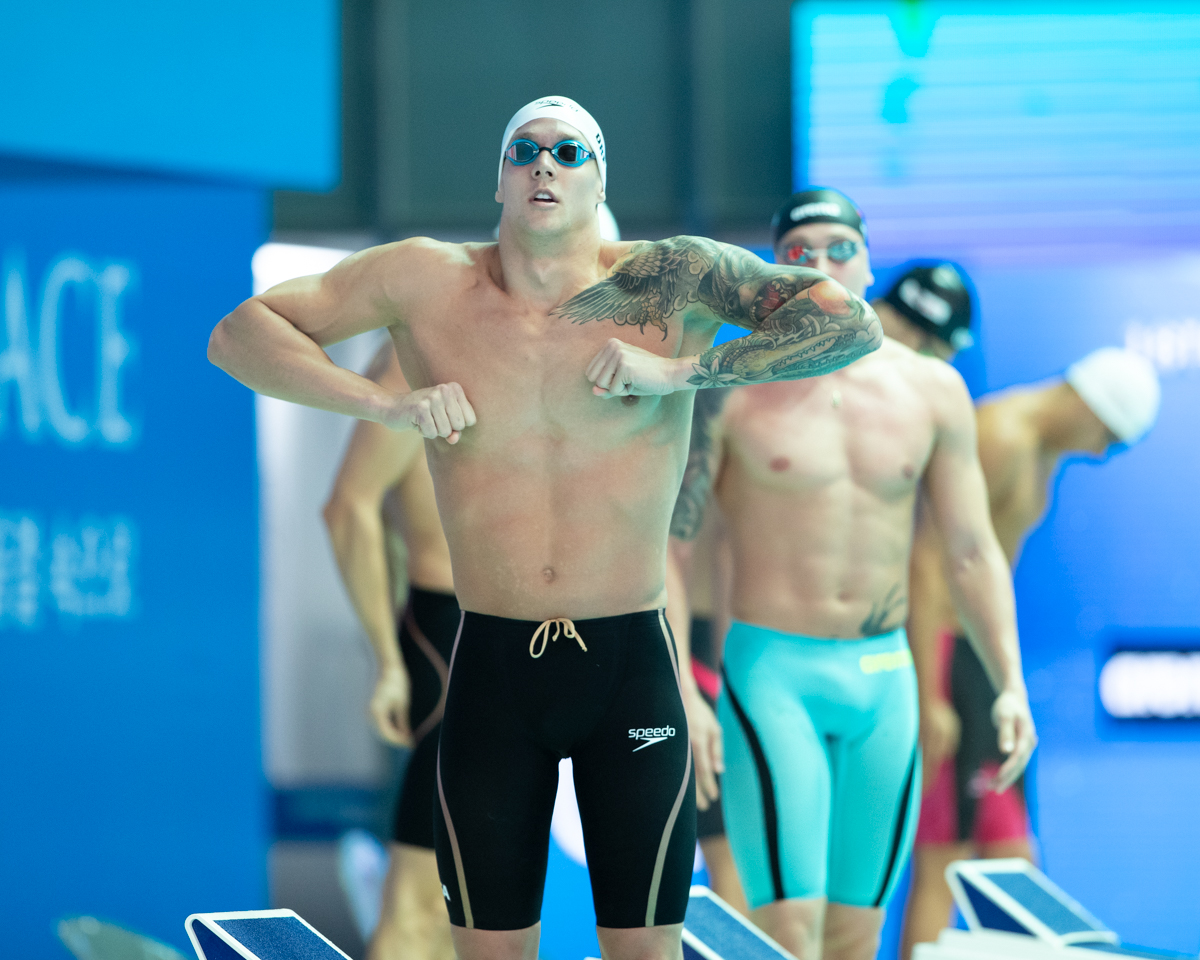
Swimming places athletes alone with their thoughts before and during races. Without strong mental skills, nerves, doubt, and distraction can undermine months of physical preparation. Mental performance training helps swimmers stay calm, focused, and confident when it matters most.
Developing mental skills improves consistency and allows swimmers to perform closer to their training potential.
Being mentally checked in is crucial for success in swimming. Read this article to learn about the importance of physical endurance and how it will elevate your swimming ability!
Common Mental Challenges Faced by Young Swimmers
Young swimmers often struggle with:
- Pre-race anxiety and overthinking
- Fear of disappointing coaches or parents
- Difficulty bouncing back after a bad swim
- Loss of focus during long meets
- Comparing themselves to others
Addressing these challenges early builds resilience.
Pre-Race Routine Drills for Consistent Focus
Routines reduce uncertainty.
Structured pre-race routines—warm-up patterns, breathing sequences, and cue words—help swimmers enter races with calm confidence and repeatable focus.
Visualization Drills for Improved Race Confidence
Visualization prepares the mind.
Guided visualization drills teach swimmers to mentally rehearse starts, turns, pacing, and finishes, reinforcing confidence before stepping onto the blocks.
Breathing and Relaxation Techniques for Anxiety Control
Controlled breathing stabilizes nerves.
Box breathing and rhythmic exhalation drills help swimmers lower heart rate and reduce tension before races.
Focus and Attention Control Drills During Meets
Meets are full of distractions.
Attention control drills teach swimmers to narrow focus to controllable factors, such as technique cues and pacing goals.
Watch this video to learn about the importance of staying attentive and calm from a former Olympian!
Reframing Mistakes and Missed Races
Setbacks are part of development.
Reflection drills teach swimmers to analyze races objectively rather than emotionally, promoting learning rather than frustration.
Confidence-Building Through Process Goals
Confidence grows from preparation.
Process goal setting—focusing on technique execution rather than results—helps swimmers feel successful regardless of placement.
Mental Endurance Training for Long Meets
Mental fatigue impacts performance.
Between-race recovery routines help swimmers reset mentally and maintain energy throughout long competitions.
Why Mental Training Improves Physical Performance
Calm minds allow efficient movement.
Swimmers who manage emotions execute technique more consistently and race with greater confidence.
Coaching’s Role in Mental Performance Development
Coaches reinforce routines, cues, and positive self-talk. Guided support helps swimmers develop mental habits that last.
Final Thoughts on Mental Performance Training for Swimmers
Strong mental skills turn preparation into performance. Swimmers who train the mind perform with confidence under pressure.
About Athletes Untapped
Athletes Untapped connects swimmers with experienced private coaches who specialize in mental performance, race preparation, and confidence development. Personalized coaching helps swimmers perform at their best when it matters most.
Find an experienced coach near you: https://athletesuntapped.com
Learn from our very best Coach Michele and Coach Christopher.