











Forehand Shape, Hip Rotation, and Spin Control for Sabre Springs Rallying
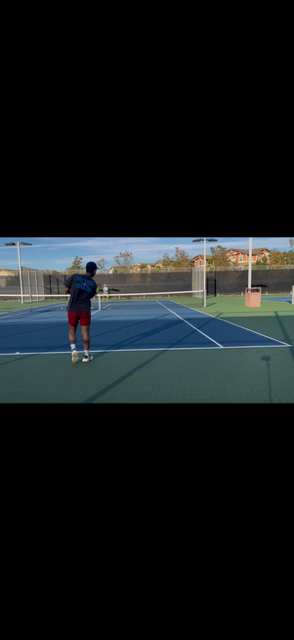
Forehand sessions begin with building a reliable shape that holds up under pressure. Coaches teach athletes to rotate through the hips while keeping spacing consistent, so spin becomes dependable. Players hit patterned crosscourt reps that reward patience and margin over reckless pace. Athletes Untapped emphasizes finishing positions that keep the ball dipping inside the lines. By the end, players feel like they can rally longer without losing control.
Serve Toss Consistency, Trophy Position, and Target Games for Better Placement
Serve work focuses on the toss first, because everything else falls apart when the toss wanders. Coaches teach athletes to repeat the trophy position with balance, then accelerate smoothly into contact. Players run target games that reward placement and variety rather than max speed. Athletes Untapped layers in small tweaks like release height and shoulder alignment that clean up misses quickly. Over time, serves become more trustworthy under match nerves.
Two-Handed Backhand Timing, Linear Drive, and Recovery Steps to Center
Backhand training emphasizes timing and posture. Coaches teach athletes to step through contact so the stroke drives forward rather than floating. Players practice rally patterns that force quick recovery back to the center after each ball. Athletes Untapped reinforces keeping the hands calm through contact, which improves consistency instantly. As timing improves, the backhand stops feeling like survival and starts becoming a weapon.
Approach Shots, Split-Step Reads, and Short-Volley Depth at the Net
Net play is trained through controlled approach sequences that mimic real points. Coaches teach athletes to approach with balance, then split-step at the right time so the first volley is stable. Players practice short volleys with depth that push opponents back instead of sitting up. Athletes Untapped fine-tunes spacing so athletes do not crowd the net or reach awkwardly. The result is more confidence finishing points rather than backing up.
Match Tempo Control, Between-Point Resetting, and Smarter Shot Selection
Match play sessions focus on managing tempo and emotion. Coaches teach athletes to reset between points with a quick breath and a clear plan, keeping the mind from spiraling. Players run tiebreak and pressure games that reward high-percentage decisions over flashy winners. Athletes Untapped emphasizes recognizing when to attack and when to build the point. Over time, athletes feel calmer in tight moments because they trust the process.
Common FAQs
🎾 How much does private tennis coaching cost in Sabre Springs, CA?
Private tennis lessons in Sabre Springs generally range from $95 to $185 per hour, depending on court access and coaching experience. Athletes Untapped instructors may charge more when using video analysis or advanced training tools. Local public courts help keep sessions convenient and affordable. Multi-session packages often reduce the overall hourly rate.
⌚ What age should kids start private tennis coaching?
Many coaches recommend starting between ages 6 and 10, once kids can handle a racquet and follow structured drills. In Sabre Springs, younger players often begin with group clinics before moving to private lessons. Starting closer to age 8 is ideal for developing strokes and footwork. Highly motivated five year olds can still benefit from introductory coaching.
💪 Is private tennis coaching worth it for young athletes?
Yes, particularly for players aiming to compete in junior tournaments. Athletes Untapped provides personalized training that builds consistency and confidence. One-on-one sessions allow for targeted improvement in weaknesses. Many parents see faster progress compared to group instruction.
⭐ How do I find the best private tennis coach in Sabre Springs, CA?
Consider your child’s current skill level and long-term goals. Athletes Untapped connects families with experienced coaches familiar with San Diego tennis programs. Watching a trial lesson and asking about teaching philosophy can help. The best coaches communicate clearly about expectations and progress.
👀 What should I look for in a private tennis coach for my child?
Look for someone who balances technical instruction with match strategy. A great coach should emphasize footwork, positioning, and mental toughness. Sabre Springs families often value instructors who are patient and motivating. Improvement tends to be steadier when training feels structured but enjoyable.