











Compact Load Timing, Hip Coil, and Direct Barrel Lines for Mission Hills Hitters
Athletes Untapped begins cage work at the tucked-away Mission Hills Little League setup where foul lines arrive fast. Coaches slow swings so hitters can truly feel the back hip coil before the hands fire. Tee rounds are paired with short front toss bursts that reward staying connected from feet to hands. Many hitters notice steadier contact even before adding speed.
Rapid Glove Transfers, Seam Feel, and Crow-Hop Efficiency at Florence Joyner Fields
Firm dirt at Florence Joyner exposes every rushed exchange. Coaches purposely feed tricky short hops so infielders trust their hands first. In partner rounds, a quick adjustment from Athletes Untapped to toe direction straightens throws instantly. Athletes often realize their feet were the real issue, not their arm.
Quiet Framing, Low-Zone Windows, and Explosive Stand-Ups for Mission Hills Catchers
Behind a portable backstop, sessions feel intimate and conversational. Coaches teach soft receiving before any talk of pop time. Athletes practice presenting low pitches, then exploding straight up to throw. Players frequently say their confidence grows as balls stop stinging the mitt.
Drop-Step Routes, Micro-Adjustments, and Late Drift Reads Above Old Town
Athletes Untapped takes outfielders to the breezy grass slope overlooking Old Town where balls ride the air longer than expected. Coaches reshape the first two steps so depth comes before direction. Fly balls are tossed at awkward angles that force mid-run corrections. Soon, athletes arrive under the ball balanced and relaxed.
Changeup Feel, Matched Arm Speed, and Deceptive Release for Mission Hills Pitchers
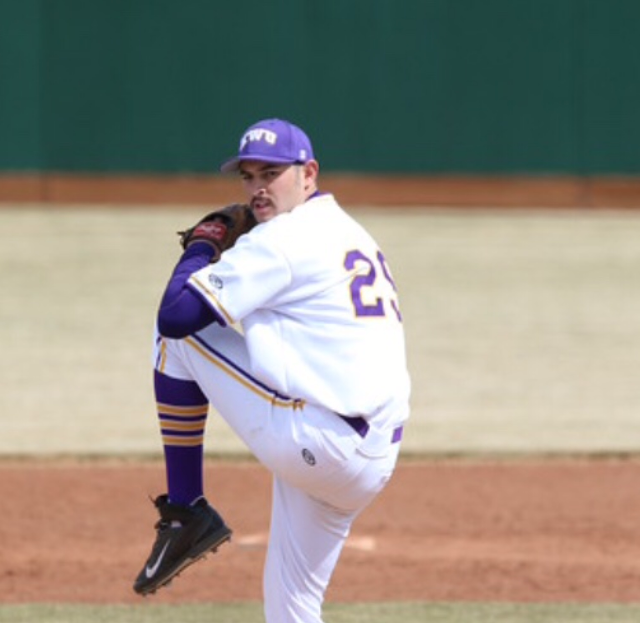
Bullpens run in a quiet corner of the rec complex where rhythm matters most. Coaches treat the changeup as a timing game rather than a grip trick. Pitchers repeat short sets while keeping arm speed identical to the fastball. When hitters start swinging early, the deception is working with Athletes Untapped.
Common FAQs
🥎 How much does private softball coaching cost in Mission Hills, CA?
Private softball sessions in Mission Hills usually fall between $95 and $175 per hour, depending on whether the focus is pitching, hitting, or defense. Athletes Untapped coaches may charge more when they use video analysis or specialized training tools. Indoor facility access can raise prices during colder months. Families in travel ball often schedule weekly sessions during tournament season.
⌚ What age should kids start private softball coaching?
Most coaches recommend beginning between ages 7 and 11, once players understand basic rules and can throw with control. In Mission Hills, younger athletes typically gain experience through rec leagues before seeking private instruction. Starting around age 9 is common for players targeting club teams. Highly motivated six year olds can still benefit from fundamentals-based lessons.
💪 Is private softball coaching worth it for young athletes?
Yes, particularly for players trying to stand out in competitive San Diego programs. Working with Athletes Untapped allows for focused repetition on mechanics that team practices often overlook. Many players gain confidence at the plate through individualized attention. Parents usually notice steadier performance after several weeks of consistent work.
⭐ How do I find the best private softball coach in Mission Hills, CA?
Think about whether your child needs help with pitching, hitting, or fielding before searching. Athletes Untapped matches families with coaches familiar with local leagues and travel teams. Watching a session and asking about playing background can clarify fit. The right coach is usually the one your child trusts enough to take risks with.
👀 What should I look for in a private softball coach for my child?
Look for someone who emphasizes proper mechanics and injury prevention from day one. A strong coach breaks skills into manageable steps instead of rushing progress. Many Mission Hills families appreciate instructors who understand local team schedules and pressures. Training tends to work best when your child feels supported rather than micromanaged.