











Soccer Goalkeeper Stance, Ready Position, and Angle Play
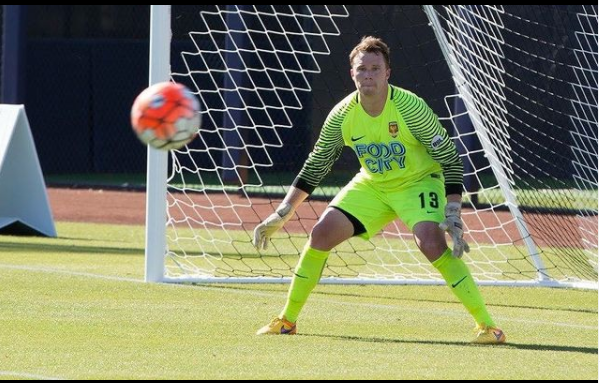
A dominant soccer goalkeeper anchors the entire defensive unit through precise positioning, spatial awareness, and proper stance mechanics. Establish an athletic ready position with your feet shoulder-width apart, knees flexed, weight on your insteps, and hands held high near your waist. Follow the imaginary shooting bisector line from the ball to the center of the goal to narrow open angles as attackers advance. Proper angle management reduces available target space and makes shot-stopping significantly easier.
Shot-Stopping Mechanics, Hand Handling, and Diving Technique
Stopping high-velocity shots requires decisive footwork, soft hands, and clean diving mechanics to parry or catch incoming balls. Use the “W” or contour hand catch position for high balls, securing the center of the ball to prevent slippage. When executing low or diving saves, push off your lead foot forcefully, extending your arms to make contact in front of your body frame. Parrying dangerous shots wide toward the sidelines prevents lethal rebound opportunities for trailing attackers.
Aerial Command, High Crosses, and Punching Technique
Dominating the penalty box on aerial crosses demands fearless decision-making, precise timing, and strong physical presence. Read the flight path of incoming crosses, calling out “Keeper!” loudly to alert defenders before leaving your goal line. Jump off one foot while lifting your lead knee to protect your body frame as you catch the ball at its highest elevation. If traffic prevents a clean catch, execute a two-fisted punch to clear the ball past the 18-yard box.
Distribution, Counter-Attacking, and Playing as a Sweeper-Keeper
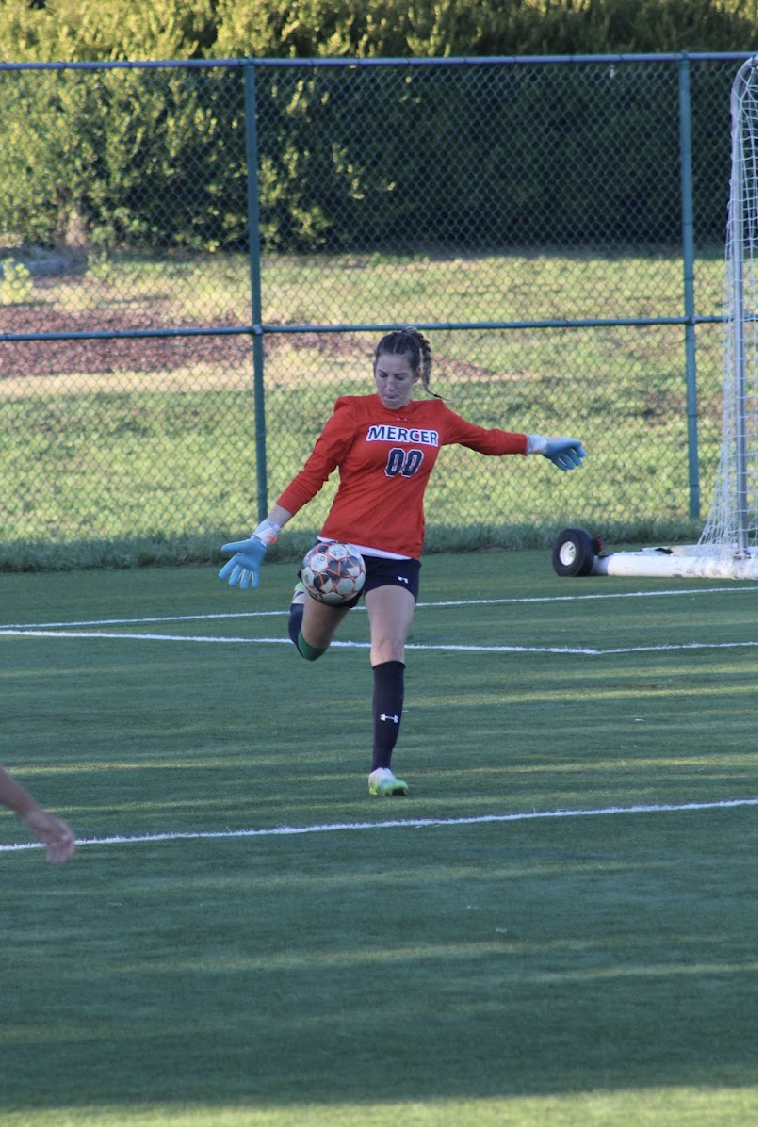
Modern goalkeepers act as the initial offensive playmaker, launching rapid counter-attacks through precise throwing and foot passing. Master various distribution methods—including underhand bowl rolls, side-arm whip throws, and long driven goal kicks—to find open teammates cleanly. Act as a active “sweeper-keeper” behind a high defensive line, clearing long through-balls before attackers can reach them. Elite distribution transforms a defensive save into an instant goal-scoring attack.
Goalkeeper Vocal Leadership and Mental Resilience
Goalkeepers must serve as the vocal field general, organizing defensive walls, tracking runners, and shouting clear positional instructions. Maintain clear, concise communication during high-stress set pieces and corner kicks to ensure every defender marks their assignment. Shake off conceded goals immediately, refocusing entirely on the next tactical sequence without losing composure. A mentally tough, vocal goalkeeper instills unshakeable confidence across the entire team.
Frequently Asked Questions (FAQs)
What is the “W” hand position in soccer goalkeeping? The “W” catch position involves placing your thumbs close together with index fingers angled upward to form a “W” shape behind the ball. This prevents high shots from slipping through your hands.
How does a goalkeeper know when to catch versus punch an aerial cross? Catch when you have a clear jump path and can secure the ball cleanly at its highest point. Punch when heavy attacker traffic or physical contact prevents a safe, two-handed catch.
How do you improve diving distance on low shots? Take an explosive power step with your lead foot toward the ball path, sinking your hips and driving lower-body power through the turf. Extending your hands toward the ball maximizes reach.
What should a goalkeeper say when coming out to catch a high ball? Shout “Keeper!” loudly and authoritatively to alert defenders to clear the area and avoid collisions. Clear vocal commands prevent defensive misunderstandings in crowded penalty boxes.
How can a goalkeeper effectively sweep behind a high defensive line? Position yourself near the top of your penalty box when the ball is in the opponent’s half, reading long pass trajectories early. Clear loose balls with one touch to touchlines or open defenders.