














Lacrosse Goalie Stance, Arc Positioning, and Angle Play
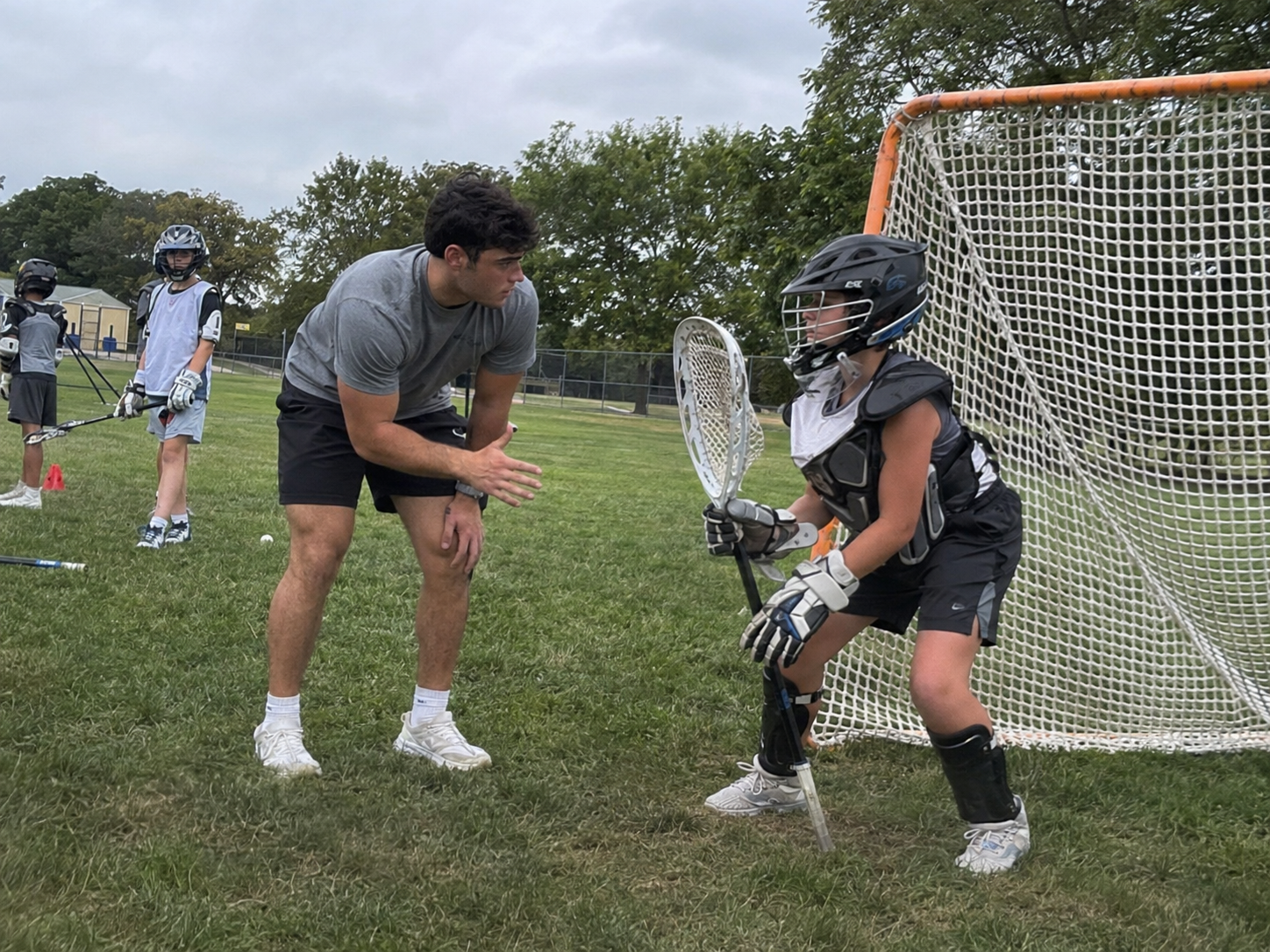
Playing goalie in lacrosse demands fast reflexes, flawless positioning, and high courage inside the crease. Establish a wide, balanced ready stance with your knees flexed, stick held high near your ear, and weight on your toes. Follow a tight positional arc—connecting pipe to pipe—to narrow shooting angles as the ball moves around the perimeter. Staying aligned with the ball’s location forces shooters to aim for low-percentage corners of the cage.
Hand-Eye Coordination, Stepping to the Ball, and Save Technique
Stopping screaming lacrosse shots requires exploding toward the ball with your stick and body simultaneously. Step aggressively with your lead foot toward the path of the shot while driving your stick head to meet the ball cleanly. Keep your eyes locked on the ball’s head rotation from the moment it leaves the shooter’s pocket until it hits your mesh. Cushion high shots softly and clamp low shots to the turf to prevent loose rebound opportunities.
Clearing Mechanics, Outlet Passing, and Crease Play
Making the save is only half the job; goalies must immediately lead the transition clear to turn defense into offense. After securing the ball, look up immediately to spot open long-poles or midfielders breaking up the sidelines. Execute crisp, accurate overhand passes over incoming attackmen attempting to ride or trap you in the crease. Communicate clearly with your defense when stepping out of the crease to handle loose balls or endline restarts.
Organizing Defense and Vocal Communication in the Crease
The goalie is the ultimate defensive general, responsible for directing slide packages and calling out ball movement. Shouting clear, loud commands like “Ball Top,” “Slide Coming,” and “Check” keeps your defensive unit synchronized and alert. Direct long-pole defenders on body positioning, screen threats, and cutter coverage throughout long defensive possessions. Clear vocal communication builds an organized, confident defense that minimizes quality opponent shots.
Mental Resilience and Overcoming High Shot Volumes
Lacrosse goalies face high volumes of close-range, high-velocity shots, making mental toughness their most essential trait. Shake off goals conceded instantly, maintaining focus and confidence for the next defensive possession. Focus on executing your save technique rather than dwelling on the score or previous mistakes. A mentally tough goalie inspires trust and stabilizes the entire team during chaotic match runs.
Frequently Asked Questions (FAQs)
How can a lacrosse goalie stop flinching on high-velocity shots? Overcome flinching by practicing with tennis balls or soft lacrosse balls during shooting drills while wearing full protective equipment. Repeated exposure builds confidence in your save mechanics and eliminates fear.
What is the proper arc positioning for tracking perimeter shooters? Move along an imaginary semi-circle arc between the goalposts, stepping along the arc line to stay centered between the ball and the middle of the net. This setup cuts down available shooting angles cleanly.
How should a goalie execute a clear after securing a save? Step out of the crease safely, look up immediately for open outlet targets, and deliver a firm overhand pass to a clearing midfielder or defenseman. Avoid throwing into tight coverage near the box.
What are the most important verbal calls a goalie must make during a game? Essential calls include indicating ball location (“Top,” “Wing,” “Crease”), calling out slide assignments (“I’m 1,” “Slide!”), and alerting defenders to screens or incoming cutters.
How can goalies improve their hand speed for high-to-low shot saves? Utilize wall ball drills, reaction ball tosses, and off-hand catching exercises to train rapid hand-eye coordination. Quick footwork steps toward the ball also accelerate your hand movement.