










Dodging With Change Of Direction, Top-Hand Control, And Separation Timing In Sunset District, CA
Athletes Untapped lacrosse in the Sunset District fits athletes who train on multi-use fields in Golden Gate Park where space and footing can change depending on weather and scheduling. Our coaches believe dodging is built on timing and top-hand control, so we teach athletes to change direction with purpose and create separation without relying on reckless speed. Sessions connect body position to defender reactions, helping the athlete understand how to set up a dodge, threaten one lane, and exit into space that actually exists. Early on, players feel like defenders sit on every move, and then it clicks when they realize the setup step and pace change matter more than the final cut. You can see the shift when they stop running into contact, protect their stick better, and create cleaner windows to pass or shoot.
Shooting On The Run, Hip-Shoulder Separation, And Off-Hand Finishing In Sunset District, CA
In Sunset District lacrosse games, rushed shots often come from athletes shooting before their body is organized, especially when defenders collapse quickly on tighter park fields. Our staff teaches that shooting on the run is a sequencing skill, so athletes learn to separate hips and shoulders, keep hands free, and finish with control even when moving at speed. Coaching stays non-scripted, emphasizing body awareness and decision-making, so the athlete learns when to shoot and when to carry one more step to improve angle. Athletes Untapped becomes part of that growth when families want repetition and feedback beyond team practice, especially for off-hand finishing that needs steady attention. Early on, off-hand shots feel awkward and slow, and then the breakthrough shows up when the athlete finds smoother separation and starts releasing with confidence without losing accuracy.
Defensive Footwork, Approach Angles, And Slide Communication In Sunset District, CA
Sunset District lacrosse defenders often struggle when field space compresses and slides must happen quickly, especially during busy weekend games in Golden Gate Park. Our coaches believe defense is team problem-solving, so we teach athletes to approach with better angles, stay balanced, and communicate earlier so slides arrive on time rather than late and desperate. Sessions emphasize recognition of where help is, how to influence a dodge, and how to recover into shape without chasing stick checks. Players start by feeling like everything is one-on-one, and then it clicks when they learn that early talk and disciplined angles make the entire unit faster. You can see the change when they stop overcommitting, force dodgers away from the middle, and slide with purpose instead of sprinting in panic, Athletes Untapped.
Faceoff Clamp Efficiency, Exit Strategy Awareness, And Ground Ball Toughness In Sunset District, CA
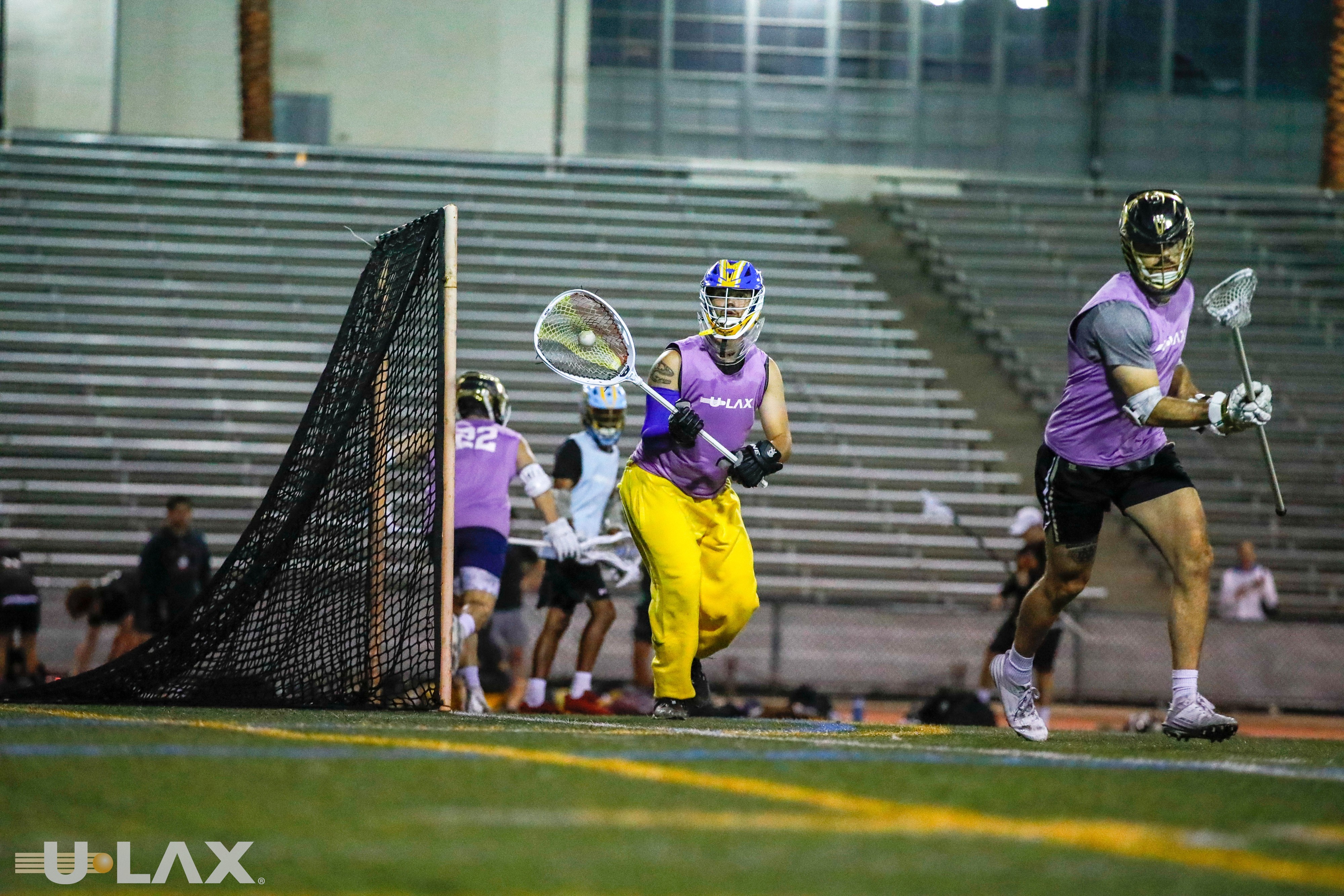
Athletes Untapped faceoff training supports Sunset District athletes who lose possessions because they win the clamp but cannot complete the next decision under pressure. Our staff teaches that faceoffs are about controlling the first two seconds, so athletes learn to connect clamp efficiency with a clear exit intention and ground-ball toughness that survives contact. Coaching stays practical, focusing on what the athlete feels in leverage, how they protect space, and how they transition from scramble to possession without freezing. Early on, players feel like the faceoff is pure chaos, and then the breakthrough happens when they start anticipating the second touch and moving with a plan. The visible shift is that they pop the ball to safer areas, secure more clean possessions, and stop getting stuck wrestling after a good initial win.
Off-Ball Movement, Two-Man Game Awareness, And Crease Timing In Sunset District, CA
Athletes Untapped in the Sunset District is especially useful for attackers who want to contribute without always carrying, because off-ball skill often separates good players from great ones. Our coaches believe offense should create decisions, so we teach athletes to time crease cuts, read two-man actions, and relocate with purpose instead of standing and watching. Sessions connect scanning habits to movement, helping the athlete understand when a defender turns their head, when a slide is late, and when a quick relocation creates a pass window. At first, players feel invisible when they do not have the ball, and then it clicks when they realize their movement is what opens the next shot, not just their stick skills. You can see the change when they cut with better timing, arrive in space earlier, and create cleaner looks that come directly from smarter off-ball reads.
Common FAQs
🥍 How much does private Lacrosse coaching cost in Sunset District, CA?
Private lacrosse coaching for Sunset District families usually ranges from $90–$165 per hour, with small-group training often around $40–$75 per athlete per hour. Rates can vary depending on whether the focus is stick skills, shooting mechanics, faceoffs, or defensive footwork. Because lacrosse thrives on repetition, many players benefit from longer sessions that blend skill work with simple game scenarios. Our coaches help families choose a plan that makes sense for the season, so you’re not overtraining during peak competition weeks.
⌚ What age should kids start private Lacrosse coaching?
Many athletes start private lacrosse coaching around ages 8–14, once they can cradle confidently and are ready to build stronger habits. At 8–10, it’s usually about catching cleanly, throwing with proper mechanics, and learning how to move with the stick without panic. From 11–14, athletes can start adding dodges, shooting on the run, and defensive positioning. For older players around 15–18, sessions often become more tactical, like reading slides, improving off-ball movement, and preparing for faster, more physical play.
💪 Is private Lacrosse coaching worth it for young athletes?
Lacrosse can feel tricky early because the stick demands coordination, and private coaching accelerates that learning curve. When an athlete starts catching and throwing smoothly, their whole game opens up, and they begin playing with their head up instead of just surviving each touch. Parents often like that private sessions can target confidence and decision-making, especially for kids who are newer to the sport in the Bay Area. Athletes Untapped coaches keep things practical so your child improves in ways that show up in real games, not just in warmups.
⭐ How do I find the best private Lacrosse coach in Sunset District, CA?
Because players develop in different ways, it helps to find a coach whose teaching style matches your athlete’s personality, whether they need encouragement, structure, or a higher competitive push. In the SF area, field availability can change, so a coach who can adapt sessions to the space you have is a big plus. Our staff at Athletes Untapped matches athletes with coaches who can teach fundamentals clearly and then layer in game-like reps at the right pace. If you tell us what position your child plays and what feels hardest right now, we can steer you toward a coach who fits.
👀 What should I look for in a private Lacrosse coach for my child?
For ages 8–18, notice whether the coach emphasizes fundamentals first, because sloppy throwing and catching habits are hard to undo later. You want feedback that’s simple, repeatable, and tied to results, like cleaner catches in traffic or more accurate shots on the run. It also helps when the coach incorporates footwork and body positioning, since lacrosse isn’t just stick skills. In a neighborhood like Sunset where schedules can be packed, a coach who’s organized and consistent can keep progress steady without making training feel stressful.