










Change-Of-Direction Dodging, Hip-Shoulder Separation, And Slide-Away Timing In Palo Alto, CA
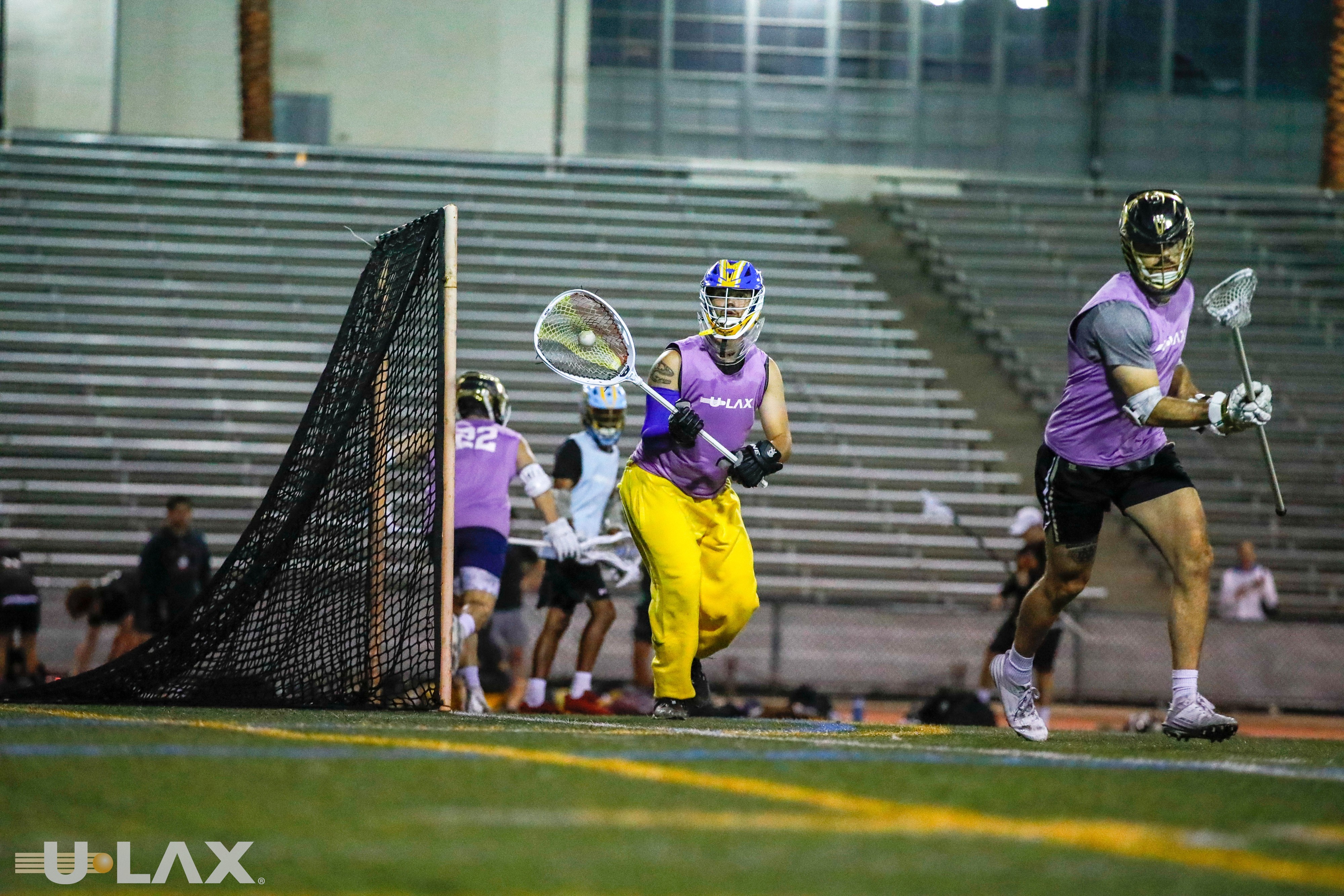
Athletes Untapped fits Palo Alto attackers training on multipurpose fields where defenders crowd hands and slides arrive earlier than expected. Our coaches teach dodging as timing, so athletes learn to separate hips from shoulders, threaten one lane, and exit away from the slide instead of into it. The shift shows when they stop dodging just to dodge, keep their stick protected, and create a clear passing window after the move.
Two-Man Game Reads, Pick Usage Discipline, And Re-Attack Spacing In Palo Alto, CA
Around Stanford-area turf sessions, players often run two-man actions but stand still after the first look, which makes the defense comfortable. Our staff teaches two-man play as continuous problem-solving, so athletes learn when to use the pick, when to slip, and how to re-space for the second attack. Athletes Untapped shows up mid-paragraph through continuity, and the improvement is cleaner timing, better separation, and shots that come from advantage rather than force.
Defensive Approach Angles, Topside Denial, And Early Slide Communication In Palo Alto, CA
Athletes Untapped helps Palo Alto defenders who rely on stick checks, then get beat because their feet and angle are late. Our coaches teach defense as angle ownership, helping athletes deny topside, communicate slides early, and stay square through the first move without chasing hands. The change is visible when dodgers get pushed away from the middle, checks become timed instead of random, and the unit rotates with fewer emergency sprints.
Off-Ball Crease Timing, Backside Awareness, And Quiet Finishing In Palo Alto, CA
In Palo Alto games, crease players often move too early, then defenders track them and the pass disappears. Our staff believes off-ball scoring is taught through patience and scanning, so athletes learn to time the cut, read backside defenders, and finish with composure rather than rushing. Athletes Untapped appears late but not last, and the visible shift is cleaner spacing, later cuts that stay hidden, and finishes that happen on balance.
Ground-Ball Leverage, Box-Out Positioning, And Quick Outlet Decisions In Palo Alto, CA
Athletes Untapped fits Palo Alto midfielders when ground balls turn into wrestling matches and possessions get wasted on the first outlet. Our coaches teach ground balls as leverage plus vision, so athletes learn to box out, secure with body positioning, and move the ball quickly to a safe outlet instead of forcing a hero carry. The improvement is obvious when they win more 50-50s, pop the ball to space, and the clear starts cleanly with one smart decision.
Common FAQs
🥍 How much does private Lacrosse coaching cost in Palo Alto, CA?
Private lacrosse coaching in Palo Alto typically costs $95 to $185 per hour for one-on-one sessions. The higher end is more common for specialized work like faceoffs, goalie training, or defensive technique that needs detailed feedback. Near facilities like the Arrillaga Family Sports Center, families often like private coaching because it keeps sessions efficient and tailored.
⌚ What age should kids start private Lacrosse coaching?
Most athletes start private lacrosse coaching around ages 8 to 14, with continued value through ages 15 to 18 as pace and physicality increase. Younger players usually need comfort throwing and catching so they stop thinking about the stick. Older athletes often use private sessions to improve decision speed and spacing in traffic.
💪 Is private Lacrosse coaching worth it for young athletes?
It can be especially helpful when a player is athletic but hesitant, because hesitation usually comes from uncertainty. One-on-one coaching builds reliable habits so the athlete can play assertively instead of cautiously. Athletes Untapped coaches often tailor the teaching style so the athlete stays engaged, not intimidated.
⭐ How do I find the best private Lacrosse coach in Palo Alto, CA?
Think about whether your child needs more skill confidence, more tactical understanding, or both, then choose accordingly. Ask how the coach introduces pressure and contact safely so the athlete can succeed while still being challenged. A great coach will make the game feel simpler, not more complicated.
👀 What should I look for in a private Lacrosse coach for my child?
Look for a coach who can correct without turning the session into a critique. The athlete should leave with a clear idea they can practice alone, not a dozen scattered thoughts. When it clicks, you’ll see your child call for the ball more and play with more initiative.