










Dodge Setup Footwork, Top-Hand Leverage, And Separation Windows In Menlo Park, CA
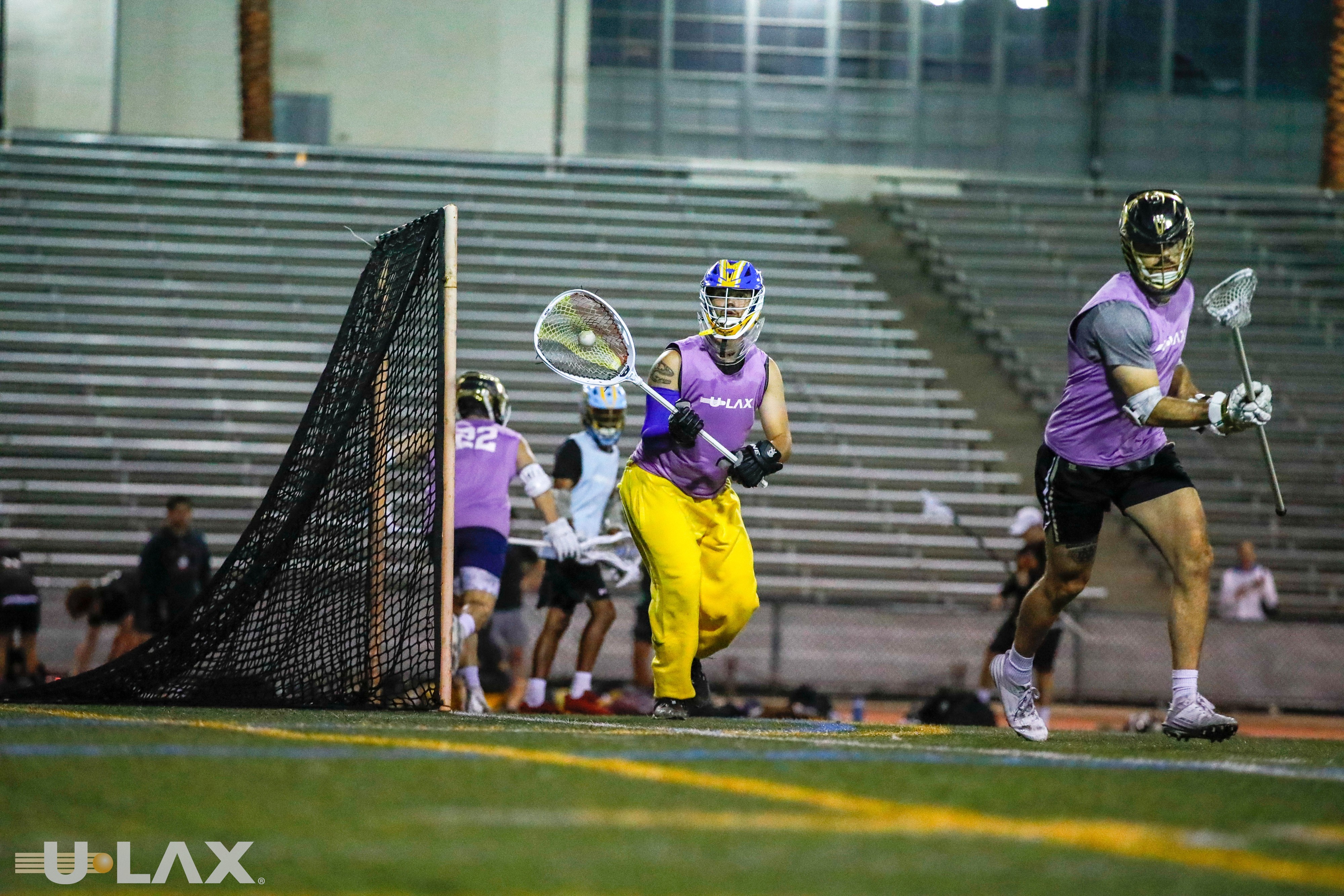
A dodge fails most often before the move even happens, usually because the athlete runs straight into contact without creating a separation window. Our coaches believe dodging is timing and leverage, so athletes learn dodge setup footwork, top-hand control, and how to threaten one lane long enough to earn another. Athletes often start by spamming moves, then it clicks when they see that a calmer setup step changes the defender’s balance and opens a real angle. Athletes Untapped supports this kind of pattern learning when athletes want consistent feedback on why a defender keeps sitting on the same move. The visible change is that they stop colliding, protect the stick better, and exit the dodge into space with their eyes already finding the next option.
Shooting-On-The-Run Balance, Angle Creation, And Off-Hand Release Comfort In Menlo Park, CA
Rushed shots happen when the athlete tries to shoot before the body is organized, especially when defenders collapse quickly and the lane looks like it is disappearing. Our staff teaches shooting on the run as balance plus angle creation, so athletes learn to carry one more step when needed, keep hands free, and release off-hand with comfort rather than fear. Athletes Untapped becomes part of the continuity when families want off-hand development to be steady across weeks, because it improves through repetition and confidence, not one breakthrough day. Players often feel awkward and slow off-hand, then the shift happens when they trust their body position and the release stops feeling like survival. You see it when off-hand shots stay on cage, misses tighten, and the athlete chooses better angles instead of forcing the first look.
Approach Angles, Slide-Timing Communication, And Recovery Footwork In Menlo Park, CA
Defense breaks down when slides arrive late and everyone is surprised, which is usually a communication problem before it is a footwork problem. Our coaches treat defense as coordinated problem-solving, so athletes learn approach angles that buy time, slide-timing communication that starts earlier, and recovery footwork that restores shape without chasing. Athletes often start by thinking it is all one-on-one, then it clicks when they realize early talk makes the whole unit faster. Coaching stays realistic and adaptable, emphasizing what the athlete is seeing and where the help actually is, not a fixed defensive script. The change shows when dodgers get funneled away from the middle and recoveries happen with purpose instead of panic.
Ground-Ball Wins, Box-Out Body Position, And Transition Outlet Vision In Menlo Park, CA
Possessions get lost when a player wins the clamp or the initial check but cannot secure the ground ball cleanly under contact. Our staff teaches ground balls as body position and awareness, so athletes learn to box out, protect space, and find transition outlet vision quickly once possession is secured. Early on, the scramble feels like chaos, then the breakthrough is recognizing the second touch matters as much as the first and the body has to own space. Athletes Untapped supports the continuity when athletes want these habits reinforced week after week, because ground-ball toughness is built through repeated, consistent expectations. You see it when they secure with cleaner posture, exit the scrum sooner, and move the ball to an outlet without waiting for pressure to arrive.
Off-Ball Timing, Two-Man Read Awareness, And Crease Relocation In Menlo Park, CA
Attackers often feel invisible off-ball because they stand still and hope the ball finds them, which rarely happens against organized defenses. Our coaches believe off-ball offense creates decisions, so athletes learn two-man read awareness, crease relocation timing, and how to move when a defender turns their head, not after. Athletes Untapped fits here when an athlete wants off-ball growth beyond team practice, because these timing reads are subtle and improve with repeated feedback. Players start by cutting randomly, then it clicks when they see that one patient relocation creates a clean passing window. The change becomes obvious when they arrive a step earlier into space, communicate sooner, and create higher-quality looks without needing to dodge every time.
Common FAQs
🥍 How much does private Lacrosse coaching cost in Menlo Park, CA?
Private lacrosse coaching in Menlo Park typically falls between $95 and $185 per hour for one-on-one training. Rates may be higher for specialized positions like goalie work or faceoffs where the coaching is more detailed and individualized. Around places like Kelly Park, families often like private sessions because the athlete gets concentrated reps without distractions.
⌚ What age should kids start private Lacrosse coaching?
Many athletes start private lacrosse coaching around ages 8 to 14, with continued value through ages 15 to 18 as speed and contact increase. Younger players often benefit from building confident throwing and catching so they stop thinking about the stick. Older athletes usually use private sessions to sharpen decision-making and spacing when the field gets crowded.
💪 Is private Lacrosse coaching worth it for young athletes?
It can be a strong choice when a player is athletic but hesitant, because hesitation usually comes from uncertainty. One-on-one coaching builds dependable habits so your child can play assertively instead of cautiously. Athletes Untapped coaches often keep the teaching style matched to the athlete so they stay engaged and motivated.
⭐ How do I find the best private Lacrosse coach in Menlo Park, CA?
Think about what’s holding your child back right now, whether it’s skill confidence, game awareness, or both. Ask how the coach introduces pressure so your athlete learns to execute without feeling overwhelmed. A great coach can make the sport feel simpler even while raising the level.
👀 What should I look for in a private Lacrosse coach for my child?
Look for a coach who balances direct correction with positive momentum, especially for kids who get frustrated quickly. Sessions should leave your athlete with one clear priority to practice on their own. When it’s working, you’ll see more initiative in games and fewer rushed decisions.