










Transition-Decision Continuity, Ground-Ball Exit Vision, And Early-Offense Advantage Creation Around Central Unified Area, CA
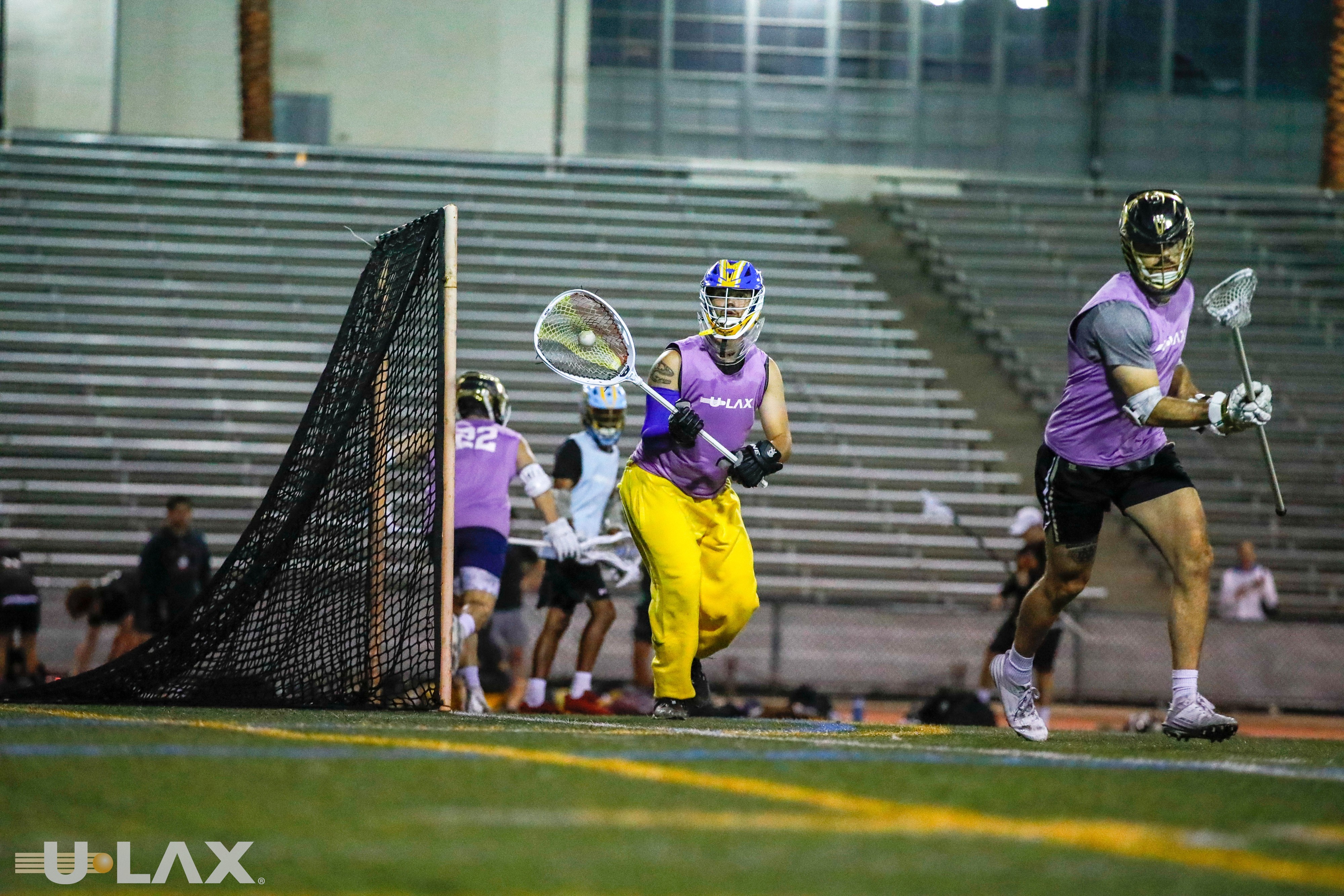
Athletes Untapped keeps the learning consistent beyond team practice by revisiting the same transition decision moments, so the athlete stops defaulting into the first pass they see. On Central Unified multi-use fields where a turnover instantly becomes a sprint, midfielders often struggle because they win the ground ball but lift their head too late and run into pressure. The coaching belief is that transition is advantage hunting, because the first two seconds decide whether the defense resets or panics. Teaching stays realistic through guided reflection on what the athlete saw and what they chose, and the visible change is a quicker head-up carry that finds the early outlet before pressure arrives.
Catch-To-Release Readiness, Hands-Free Finishing Options, And Angle Selection In Central Unified Area, CA
Central Unified attackers often lose scoring windows because they catch and cradle automatically, giving defenders time to recover and goalies time to settle. Our coaches believe scoring speed is readiness, because hands-free finishing depends on arriving organized before the ball arrives. Athletes find it hard at first to trust a faster release without extra setup, then it clicks when they see how a clean catch can become an instant shot from an unexpected angle. Athletes Untapped supports continuity beyond team practice by reinforcing the same window-recognition language, and the change shows when the athlete releases earlier and stops letting the defense reset.
Defensive Approach Patience, Check Selection Filters, And Slide-Communication Timing Around Central Unified Area, CA
In Central Unified defensive sets, athletes often feel like aggressiveness means throwing checks early, then they create the exact lane they were trying to shut off. The philosophy our staff teaches is that defense begins with feet and leverage, because the right check at the right time is built on approach patience and clear slide timing. Coaching stays grounded by tying feedback to body position and what the defender heard or did not hear from teammates, without prescribing a scripted slide call every possession. Athletes Untapped supports continuity beyond team practice, and the visible change is a defender who holds the angle longer and throws a smarter check when help is actually present.
Wing Play Spacing, Skip-Lane Recognition, And Shot-Selection Discipline In Central Unified Area, CA
Central Unified man-up and settled offense can look busy without being dangerous when spacing collapses and athletes chase the first available shot instead of the best one. Our coaches believe great offenses create predictable rotations, because skip-lane recognition forces goalies and defenders to move before the shot ever happens. Teaching stays realistic through film reflection and live constraint games that reward one extra pass, without turning it into a memorized pattern. Athletes Untapped keeps that continuity beyond team practice, and the change becomes obvious when the athlete holds the ball a beat longer, skips on time, and shoots into space rather than into sticks.
Contact-Balance Ground Balls, Scoop-Line Discipline, And First-Pass Stability Around Central Unified Area, CA
Athletes Untapped supports continuity beyond team practice by keeping ground-ball teaching tied to contact balance, so the athlete stops popping upright into pressure after the scoop. On Central Unified fields where the ball can skitter and traffic arrives fast, athletes often struggle because they approach without a plan for body position and then lose the first pass under contact. The coaching philosophy is that ground balls are possession chains, because the scoop only matters if the exit and first pass stay stable. Coaching stays realistic through awareness cues and outcome-based feedback rather than a scripted motion, and the shift shows when the athlete scoops through the line and delivers a cleaner first pass without drifting.
Common FAQs
🥍 How much does private Lacrosse coaching cost in Central Unified Area, CA?
Private lacrosse coaching in the Central Unified area commonly runs $90 to $180 per hour for one-on-one sessions. Rates can rise for specialized work like faceoffs, goalie training, or advanced defensive footwork. Families often like working in the open grass space around Inspiration Park because it gives room for speed, spacing, and realistic dodges. Athletes Untapped can match your athlete with a coach who fits the position and the current bottleneck.
⌚ What age should kids start private Lacrosse coaching?
Private lacrosse coaching is usually a strong fit for ages 8 to 18. Ages 8 to 11 often focus on catching and throwing comfort so the stick stops feeling unpredictable. From 12 to 14, our coaches emphasize decision speed and spacing as the game accelerates. Ages 15 to 18 typically refine role-specific execution so the athlete plays fast without rushing.
💪 Is private Lacrosse coaching worth it for young athletes?
It can be a huge help when athletic kids hesitate, because hesitation usually comes from uncertainty. Our staff builds a few dependable habits that hold up when defenders get physical and time disappears. Athletes Untapped supports steady repetition, which is what turns a skill into a reliable game tool.
⭐ How do I find the best private Lacrosse coach in Central Unified Area, CA?
Ask how they introduce pressure over time, since skills need to survive real contact and real speed. You should also hear how they teach off-ball movement and timing, not only stick tricks. A first session should feel like the game, with decisions and consequences. If your child plays year-round, look for coaching that keeps progress simple and sustainable.
👀 What should I look for in a private Lacrosse coach for my child?
The session should challenge your child while still keeping the vibe constructive and steady. Our coaches correct directly, then give your athlete a chance to apply it immediately so learning sticks. When it’s working, your child starts initiating plays earlier instead of reacting late.