













Half-Court Shot Creation With Pace Changes, Contact Finishes, And Tight-Space Footwork In Sunset District, CA
Athletes Untapped in the Sunset District matters because many players train on compact outdoor courts at Sunset Rec and in smaller school gyms where space disappears as soon as a defender bodies up. Our coaches believe separation comes from pace and angles, not highlight moves, so we teach athletes to change speeds, protect their line, and finish through contact without losing balance. Instead of forcing one style, we connect footwork choices to the read the player is making, so they learn when to stop short, when to turn the corner, and when to flow into a controlled pull-up. At first athletes feel trapped because defenders sit on the first step, and then the click happens when they realize the second pace change is what creates daylight, not the first. You can see the adjustment when they keep their shoulders level, land under control, and get cleaner shots even when the paint is crowded.
On-Ball Containment, Hip Turn Discipline, And Screen Navigation In Sunset District, CA
In Sunset District pickup runs and rec-league games, ball screens show up constantly because narrow courts encourage teams to create advantage with one simple action. Our staff teaches defense as a discipline of angles and patience, helping athletes understand that staying attached is less important than staying in control and steering the ball handler where help can exist. Coaching tends to center on body positioning, timing, and recovery choices, so players learn how to get skinny, re-engage, and avoid opening the hips too early when the handler changes direction. Athletes Untapped supports that continuity when a player keeps seeing the same mistake in games and wants the teaching language to carry over from session to session. Early on, athletes feel like every screen is a losing situation, and then you see the shift when they stop guessing, stay connected through the action, and force cleaner, slower decisions from the ball handler.
Transition Decision-Making, Advantage Recognition, And Early Offense Spacing In Sunset District, CA
Sunset District courts often produce fast, messy transitions, especially when teams play at the Panhandle edge of Golden Gate Park and the game turns into quick bursts rather than long possessions. Our coaches believe good transition is mostly a thinking skill, so we teach athletes to recognize numbers, read the retreating defender’s shoulders, and make the simple pass or attack that keeps advantage alive. Sessions commonly connect ball-handling and spacing to real game choices, so the athlete learns where to run, when to slow down, and how to avoid the rushed shot that feels open but is actually low quality. Players often start by sprinting without a plan, and then it clicks when they learn to run into space with their head up and let the defense declare its mistake first. The visible change is that they stop forcing the first look, create a better second look, and keep teammates involved earlier, with Athletes Untapped.
Shooting Consistency Through Arc Control, Set-Point Repeatability, And Fatigue Management In Sunset District, CA
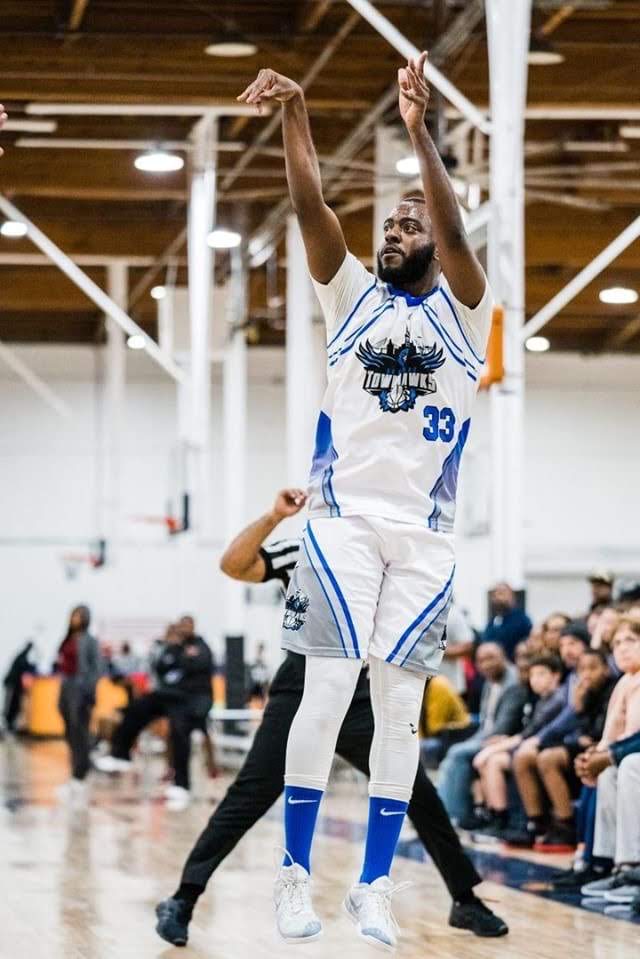
In the Sunset District, windy outdoor runs and colder evenings can change how the ball feels in the hands, and that shows up as flatter misses or rushed releases late in a session. Athletes Untapped works well mid-week when a player wants steady feedback on repeatability, because shooting issues are often small pattern breaks that teammates will not notice in a chaotic game. Our coaches teach that consistency comes from a repeatable set-point and stable lower-body timing, so athletes learn to keep the same arc and finish even when tired or distracted. Many shooters start out thinking they need to aim harder, and then the breakthrough happens when they recognize their timing is drifting, so the ball leaves the hand differently each attempt. You can see the adjustment when their misses become shorter and straighter instead of scattering left and right, and their release stays smooth even when legs feel heavy.
Off-Ball Cutting Timing, Corner Spacing, And Backdoor Reads Against Overplays In Sunset District, CA
Athletes Untapped players in Sunset District leagues often see aggressive overplays on wings because small gyms make defenders confident they can recover quickly. Our coaches believe off-ball movement should punish that confidence, so we teach athletes to read the defender’s top foot, recognize face-guarding, and cut with timing that turns pressure into a layup. Coaching stays flexible, focusing on recognition and spacing rather than a rigid playbook, so the athlete learns when to hold the corner, when to lift, and when to slip behind an over-helping defender. At first it feels confusing because the ball is not in their hands, and then it clicks when they realize their cut is a decision, not a sprint, and the timing matters more than speed. The change shows up when they stop standing next to defenders, create clean passing windows, and finish easier shots that come directly from better reads.
Common FAQs
🏀 How much does private Field Hockey coaching cost in Sunset District, CA?
Private basketball coaching in Sunset District typically falls in the $85–$150 per hour range, and small groups usually come in around $35–$65 per athlete per hour depending on group size. If the coach is running skill work that includes film or a customized shooting plan, rates can sit on the higher end because there’s extra prep outside the session. Many Sunset families like training around Sunset Recreation Center because it feels close to home and makes it easier to keep consistency. Our coaches focus on practical improvements you can see quickly, like cleaner footwork into shots and better decision-making under pressure, not just endless drills.
⌚ What age should kids start private Basketball coaching?
A strong starting window is usually ages 8–13, when kids are still forming shot habits and learning how to move with balance. At 8–10, private coaching is often about coordination, dribbling without staring at the ball, and a shot that doesn’t rely on heaving it. From 11–13, athletes can begin learning how to read defenders, use pace, and handle contact without losing control. For teenagers around 14–17, sessions can shift into role-specific development, like becoming a confident shooter, improving on-ball defense, or tightening ball-handling for varsity-level speed.
💪 Is private Basketball coaching worth it for young athletes?
It can be worth it when your athlete is stuck in the “same player every season” loop and needs targeted feedback. Basketball moves fast, and a private coach can slow down the game, correct one or two key habits, and then build them back up to game speed. Parents often notice the biggest change in confidence, because the athlete knows exactly what to practice between sessions instead of guessing. With Athletes Untapped, our coaches also help align training with what your child’s team actually runs, so the work translates on the court instead of staying in the driveway.
⭐ How do I find the best private Basketball coach in Sunset District, CA?
Finding the best coach starts with knowing whether your child needs skill building, confidence rebuilding, or competitive sharpening, because each coach has a different strength. In the Sunset District, you’ll also want someone who can adapt to the gym environment and the time constraints many families have during the school week. Athletes Untapped makes this easier by matching you with a coach based on age, level, and goals, then adjusting if the fit isn’t perfect after you see a session. If you tell us what your athlete struggles with most, we can recommend a coach whose teaching style fits how your child learns.
👀 What should I look for in a private Basketball coach for my child?
Watch for a coach who corrects in real time and then immediately gives your athlete a chance to apply it, because that’s how habits change. For ages 8–17, you want someone who can teach fundamentals without making the session feel like a lecture. It’s also a plus if they build training around decision-making, not just dribbling in place, since games are about choices. In a neighborhood like Sunset where kids play in different gyms and leagues, a coach who can adjust to different court sizes, rims, and defensive styles helps your athlete stay steady anywhere.