











Change-of-Pace Handles, Shoulder Reads, and Craft Finishes for Sabre Springs Guards
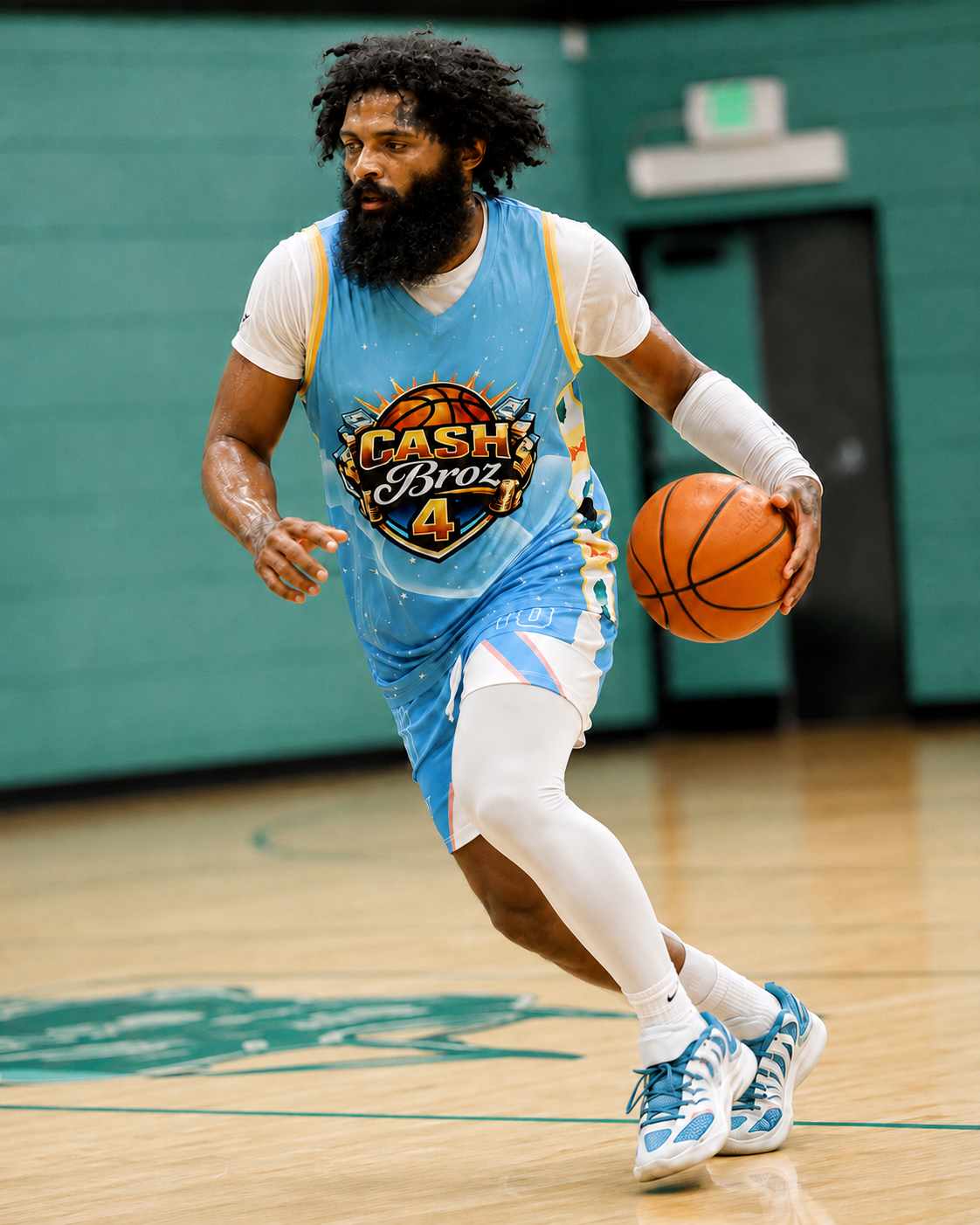
Sabre Springs players often have space on the perimeter, so the difference maker becomes how well they change speeds once they attack. Coaches build dribbling sequences that force hesitation, re-acceleration, and a decision at the rim. Athletes learn to read shoulders and hips instead of staring at hands, which makes their first move more effective. Finishing reps include floaters, inside-hand layups, and contact angles that keep the ball protected. The biggest shift is mental: athletes start seeing the lane as something they can manipulate, not something they have to force.
Footwork Into the Catch, One-Second Decisions, and Crisp Ball Movement for Sabre Springs Players
Passing and spacing work begins with getting “catch-ready” before the ball arrives. Coaches run drills where athletes must step into the pass, show hands early, and deliver the next read within one second. That small time constraint forces better positioning and sharper pivots. Players rehearse pocket passes, quick swing passes, and short dump-offs that keep the defense rotating. As the tempo rises, athletes notice turnovers drop because the body is already set to make the next play.
Contain Defense, Hip Turns, and Recover-to-Contest Discipline in Sabre Springs
Defense sessions are less about highlight blocks and more about staying connected to the ball. Coaches teach athletes to contain with a low stance, then open the hips without crossing over too early. Players work through “drive cut-off” reps where the goal is to force a tough angle and still recover to contest without fouling. When the footwork becomes clean, athletes stop lunging and start arriving on balance. That control shows up in games when they can guard multiple dribble moves without getting stuck.
Screen Navigation, Timing Windows, and Space Creation Without Over-Dribbling
Off-ball scoring work is built around getting open without needing six dribbles to do it. Coaches teach athletes how to set up their defender, use a screen tightly, and pop out with feet ready to shoot. Players practice reading the defender’s trail, then choosing between a curl, fade, or back-cut based on the angle. As the reps build, athletes start creating space with timing instead of speed alone. The offense feels smoother because movement becomes intentional rather than random.
Routine Free Throws, Visual Targeting, and Repeatable Wrist Snap for Sabre Springs Shooters
The end of training turns quiet, and that’s when free-throw habits are built. Coaches guide players to pick a single visual target, breathe once, and shoot with the same tempo every time. Athletes focus on a consistent wrist snap and a balanced finish, not a perfect swish. When misses happen, the adjustment is usually simple: posture, eyes, or follow-through. Players leave with a routine that holds up when legs are tired and the gym gets loud.
Common FAQs
🏀 How much does private basketball coaching cost in Sabre Springs, CA?
Private basketball coaching in Sabre Springs typically costs $85 to $165 per hour, depending on the coach’s background and whether indoor gym time is involved. Rates can jump when a coach is also building decision-making into the session, not just running drills for conditioning. Athletes Untapped families sometimes choose small-group training to lower the cost while still keeping intensity high. If your child plays club ball, it often makes sense to schedule lessons around their game calendar so training supports what they are seeing on the court that month.
⌚ What age should kids start private basketball coaching?
Most kids do well starting between ages 7 and 12, once they can dribble, pass, and stay focused long enough for the session to have structure. In Sabre Springs, many players begin in youth leagues and then turn to private coaching when they want to feel more confident under pressure. Starting closer to age 9 is a sweet spot because athletes can learn footwork and shooting habits before they become hard to change. For younger kids, the best coaching looks like confidence-building fundamentals that keep them wanting to come back.
💪 Is private basketball coaching worth it for young athletes?
Yes, when the coaching is specific and not just extra reps. Athletes Untapped works well for players who are stuck in the same game pattern, like rushing shots, picking up their dribble too early, or freezing when defenders pressure them. Parents often notice the biggest change in how their child reacts, because they start making decisions instead of playing panicked. If your child begins to slow the game down in their head, that is when private coaching pays off.
⭐ How do I find the best private basketball coach in Sabre Springs, CA?
Think about the type of coach your child actually needs, not the flashiest resume. Some athletes respond best to a calm teacher who explains spacing and reads, while others need a more energetic style that keeps intensity high. Athletes Untapped helps families choose based on those preferences and training goals, which saves a lot of trial and error. In a first session, you want to see the coach correct something small and have your child immediately understand what changed.
👀 What should I look for in a private basketball coach for my child?
Look for a coach who can make training feel like real basketball, not a bunch of disconnected drills. A good instructor will also adjust pacing so your child stays challenged without getting overwhelmed. Sabre Springs families often value coaches who communicate clearly with both the athlete and the parent, especially around what to practice between sessions. The right coach leaves your child feeling capable, not criticized.