









Basketball Training Services in San Diego, CA
Welcome to Athletes Untapped, your home for elite basketball training in San Diego, CA. Our experienced coaches and trainers are here to help you take your game to the next level. With customized private lessons, team coaching, and skill development, we have the specialized training to unlock your full potential on the court.
Private Basketball Lessons in San Diego, CA
Looking to sharpen your skills with one-on-one attention? Our private basketball coaches in San Diego allow you to work directly with a coach to improve your fundamentals or master advanced techniques. We develop customized training plans focused on your specific goals, whether you’re looking to make the varsity team or prepare for college recruitment.
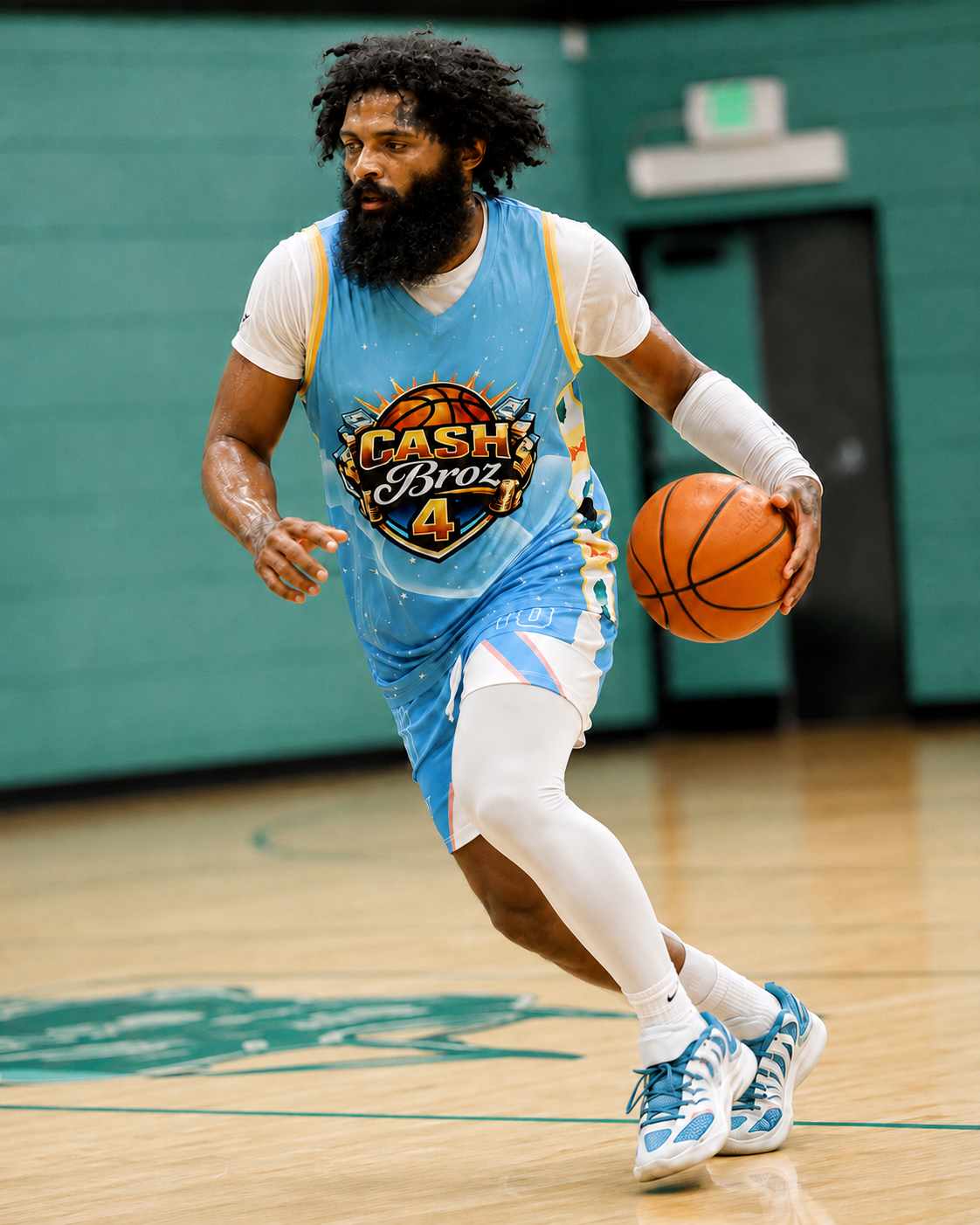
During our private sessions, you’ll hone essential basketball skills like dribbling, passing, shooting form, footwork, and more. Our trainers utilize the latest coaching techniques to help athletes of all ages build their confidence on the court. We also provide specialized position training for guards, forwards, and centers so you can excel at your role on the team.
Your coach will break down your film and identify strengths to build upon and weaknesses to address through drills and scrimmages. With individualized feedback and guidance, you’ll make rapid improvements.
Some of the key skills we focus on during private lessons include:
- Ball Handling – Improve control and fluidity through advanced dribbling drills using cones, ladders, and dribbling devices. Learn to change pace and direction off the dribble with crossovers, hesitations, and spin moves.
- Passing – Develop quick, accurate outlet passes, chest passes, bounce passes, overhead passes, and more.
- Shooting – Perfect your form and mechanics through high-repetition shooting drills. Expand your range and develop go-to moves like step-backs, floaters, and turnarounds.
- Footwork – Sharpen change of direction, pivots, jab steps, and more to gain separation from defenders. Improve rebounding position and box outs with proper footwork.
- Defense – Master on-ball pressure, deny position, close-outs, charges, and more through technique drills and game situations.
With personalized attention and expert coaching in private lessons, you will see a rapid improvement in these pivotal skills!
Basketball Coaching Services for Adults & Youth in San Diego, CA
In addition to private lessons, Athletes Untapped offers team coaching services for youth leagues and adult rec teams. Our experienced coaches can lead your team to the next level with comprehensive season plans, expert guidance, and commitment to development.
For youth teams, we take a positive coaching approach that builds skills, confidence, and love for the game. Through focused practices and sideline coaching, we’ll teach essential team concepts like spacing, transition defense, motion offense, and more based on your team’s needs. Our youth league coaches are experts at developing individual players while building a cohesive, competitive team.
Some of the key areas we focus on with youth teams include:
- Fundamentals – Build solid footwork, dribbling, passing, shooting, and defensive skills through repetition of proper technique.
- Teamwork – Develop communication, chemistry, and court awareness through drills and competitions that build trust and bonding.
- Strategy – Implement offensive plays and defensive sets tailored to the team’s personnel and strengths. Teach spacing, screens, cutting, and more.
- Sportsmanship – Encourage positive attitudes, hustle, and leadership through encouragement and by leading by example.
With our positive, developmental approach to youth coaching, players will improve their individual skills while coming together as a unified team ready for competitive success.
At the adult rec level, our San Diego coaches bring a strategic perspective to help your team maximize its talent. We’ll implement offensive and defensive systems that fit your roster’s strengths. Our sideline leadership keeps players motivated through positive reinforcement and constructive feedback. With our coaching, your team will improve chemistry on and off the court to achieve new heights.
Some of the focuses for adult rec league coaching include:
- Player Roles – Determine positions and rotations to optimize your roster based on abilities and experience.
- Strategy – Install plays, presses, zones, and more that play to the team’s strengths and exploit opponents’ weaknesses.
- Conditioning – Develop stamina and reduce injuries through training regimens tailored for adult players.
With our experienced rec league coaches guiding your team, players will maximize their talents through defined roles while coming together to compete at a higher level.
Training for Fundamental & Advanced Basketball Techniques in San Diego, CA
From foundational footwork to elite moves, our San Diego training builds a strong basketball toolkit tailored to your skill level and athletic goals.
For beginners, we focus on the fundamentals to establish solid mechanics as the foundation of your game. Our step-by-step approach develops essential footwork to move efficiently on the court, ball handling with both hands, passing technique, form shooting, and defensive stance. Mastering the basics through quality repetition primes you for success as you advance.
Some of the core fundamentals we instill in new players include:
- Stance – Proper foot positioning in the triple threat stance to react quickly on offense and defense.
- Dribbling – Control dribbles at various heights and speeds using right and left hands.
- Passing – Chest, bounce, overhead passes with accuracy and zip. Two-hand and one-hand techniques.
- Layups – Correct footwork and touch finishing with both sides. Start close developing form.
- Defense – On and off-ball positioning. Arm’s length denial, lateral movement, and box outs.
By building these vital skills early through our step-by-step methodology, players gain the foundation to excel as they progress to more advanced development and competition.
Intermediate and advanced players work on elevated skills and high-level tactics. We build on your fundamentals to expand your scoring arsenal with moves like step-backs, euro steps, up-and-unders, floaters, and more. Footwork and agility drills make you quicker and more explosive off the dribble. You’ll also refine your jump shot range and accuracy through intensive shooting instruction and drills. And you’ll learn to read and react within complex offenses and defenses through game situations and film study.
Some of the advanced skills we focus on at higher levels include:
- Shooting Off Screens – Using pin-downs, flat screens, step-ups, and more to get open for jumpers.
- Finishing Through Contact – Adjusting in the air to score with floaters and finger rolls around shot blockers.
- Isolations – Beating defenders one-on-one with crossovers, hesitations, and change of pace.
- Pick & Roll/Pop – Maximizing this common NBA set through timing, positioning, and reading the defense.
- Fast Break – Spacing the floor and making decisive passes to score easy buckets.
By mastering these more complex skills, elite players expand their versatility and understanding of the game to dominate the competition.
The expert coaches at Athletes Untapped in San Diego are committed to unlocking the full potential of every athlete we work with on and off the court. Contact us today to learn more about our private training, team coaching and basketball development programs in San Diego, CA. Coaches are available throughout your state and county. Let us help take your game to the highest level!
Individualized Basketball Coaching in San Diego, CA
At Athletes Untapped, we understand that every player is unique. Our individualized coaching programs in San Diego, CA are tailored to meet your specific needs, whether you’re just starting out or looking to refine advanced skills. Our experienced AU coaches focus on personal growth, providing customized sessions that target key areas for improvement. This personalized approach not only enhances your performance on the court but also builds your confidence, ensuring you’re game-ready for any challenge.
Private Basketball Lessons in San Diego, CA
For those seeking a more focused coaching experience, Athletes Untapped private basketball lessons are the perfect solution. Available for players of all ages, these one-on-one sessions allow you to dive deep into essential basketball skills. From perfecting your shooting technique to mastering defensive strategies, our expert coaches work closely with you to accelerate your learning and improve your game. With flexible scheduling, you can easily integrate private lessons into your busy San Diego lifestyle.
Youth & Adult Basketball Training in San Diego, CA
We believe basketball is for everyone! The coaches’ at Athletes Untapped have a comprehensive training program that caters to both youth and adult players, creating a vibrant and inclusive community. Whether you’re a young athlete eager to learn the fundamentals or an adult looking to sharpen your skills, our age-specific sessions foster development and teamwork. Join an Athletes Untapped coach and elevate your game together with fellow players who share your passion.
Basketball Skill Development and Game Advancement in San Diego, CA
Take your skills to the next level with an AU coaches’ dedicated program focused on skill and game advancement. At Athletes Untapped, coaches emphasize not only individual skills but also how to effectively apply them in game situations. Coaches training includes advanced drills, game simulations, and performance analysis to help you identify areas for growth and implement strategies that lead to success on the court. This comprehensive approach ensures you’re always progressing.
Basketball Fitness and Conditioning Programs in San Diego, CA
Physical fitness is crucial for basketball success, and our Athletes Untapped coaches are here to help you achieve your goals. The coaches at AU create specialized fitness and conditioning programs to enhance your strength, agility, and endurance, ensuring you perform at your best during games. Coaches are focused on basketball-specific movements and injury prevention techniques, helping you stay healthy and competitive. Get ready to boost your performance and take your game to new heights with Athletes Untapped!
Private basketball coaching in San Diego, CA for skill and confidence development
Athletes Untapped private basketball coaches in San Diego, CA provide individualized training designed to improve fundamentals and in-game performance. Our coaches work with athletes on shooting mechanics, ball handling, footwork, defensive positioning, and basketball IQ. Each session is customized to the athlete’s age, skill level, and goals, helping San Diego players build confidence, consistency, and readiness for competitive play.
Common FAQs
🏀 How Much Does Private Basketball Coaching Cost in San Diego, CA?
Private basketball coaching in San Diego, CA typically ranges from $30–$100 per session, depending on session length and coaching focus. Athletes Untapped offers flexible training options for athletes at all levels.
⌚ What Age Should Athletes Start Private Basketball Training?
Kids can begin private basketball training around ages 6–8, focusing on coordination, movement skills, and basic basketball fundamentals. Athletes Untapped coaches tailor sessions to each athlete’s development.
💪 Is Private Basketball Coaching Worth It for Young Athletes?
Yes — private basketball coaching helps athletes improve technique, confidence, and decision-making faster than team practices alone. Athletes Untapped coaches provide personalized instruction that supports long-term development.
⭐ How Do I Find the Best Private Basketball Coach in San Diego, CA?
The best basketball coaches emphasize fundamentals, communication, and structured progression. Athletes Untapped connects San Diego athletes with experienced coaches who design customized training plans.
👀 What Should Parents Look For in a Private Basketball Coach?
Parents should look for a coach who prioritizes skill development, positive feedback, and safe progression. Athletes Untapped coaches focus on building confidence, consistency, and love for the game.