












Private Mental Performance Coaches in San Diego, CA
San Diego, the oldest town in California, also known to be filled with the most alluring sunsets that overlook the countless number of beaches along the coast and to have friendly locals and simply amazingly good weather. California’s second largest city inspires with the perfect mix of relaxed beach life and urban sophistication. The Californian beach city is synonymous with entertainment, creativity, carefreeness and joie de vivre. Not forgetting sport, of course. San Diego’s mild mediterranean climate provides the perfect conditions for every sport enthusiast and athletes that call San Diego home. Athletes know it all too well the feeling of not being able to manage the workload or feeling burned out. That’s why Athletes Untapped is live in the San Diego market, helping athletes to work on their growth mindset. Our mental performance coaches are available for individual or group lessons. If you’re really looking to improve your mental game and build confidence, private coaching is the way to go. Nothing replaces hyper-focused attention from an experienced sports psychiatrist.
San Diego parents and athletes have elevated expectations when they work with us, and we promise to deliver. Our team at Athletes Untapped gets the best, local, experienced private coaches to sign up to our platform. We give San Diego athletes the chance to search for the right coach, that way they can find someone who fits their specific needs – in terms of budget, proximity, and goals. We are the go-to sports and mental training platform in San Diego, California, and we will always put our customers first.
Impacting Lives Through Mental Performance Lessons in San Diego, CA
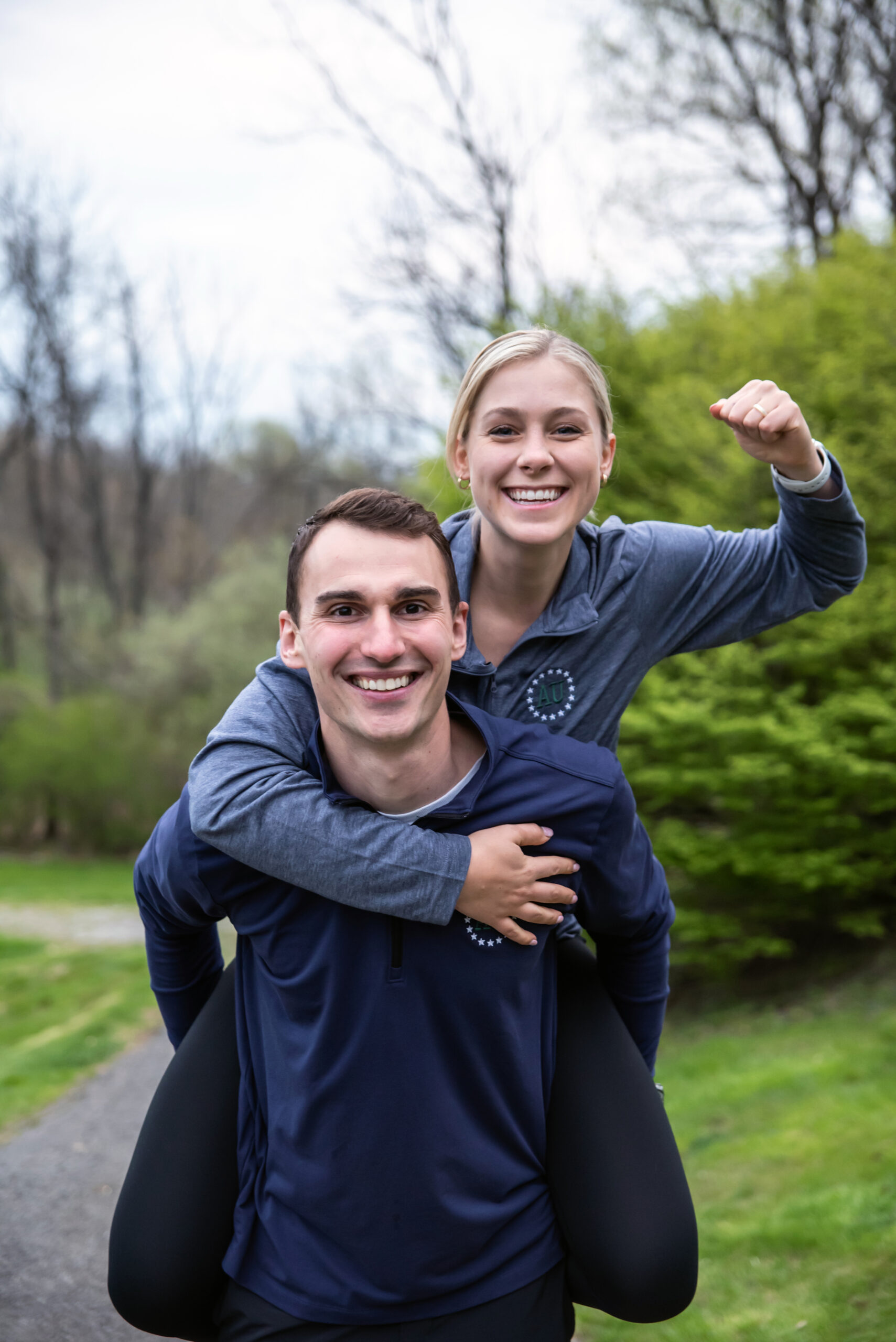
Athletes Untapped connects parents/kids with vetted private sports coaches for in-person training. The platform was created by Gene & Elaine Williams – a married couple who both played college sports. Once their playing days ended, they started private coaching to stay involved with the game & earn extra income – and they loved it! Realizing there wasn’t a go-to platform meant to help private coaches scale their business – like Airbnb does with rentals, or Rover for dog walkers – Gene & Elaine decided to build AU. They’ve seen the impact private coaching can make on a young athlete’s life trajectory, so that’s why they’re using their backgrounds in tech & coaching to help millions of young athletes succeed through elite coaching.
Private Mental Performance Coaching in San Diego, CA
Here at Athletes Untapped, we offer mental performance coaching in San Diego, CA for both adult and youth leagues. We’re proud to foster the athletic growth of aspiring athletes looking to get noticed by recruiters, young athletes simply wanting to become better at their craft, and adults who want to ensure that they’re constantly growing in the best state of mind for their sport. We bring the convenience, experience, and results that you need to ensure your mentality doesn’t affect your game.
More Than Just Mental Performance Coaches in San Diego, CA
We aim to be your go-to resource for sports training. That’s why we offer a range of instruction options, including baseball training, tennis training, and soccer training in addition to mental performance coaches. With coaches spread out around the country, you’ll find the right coach local to your area. Whatever sport you are focused on and wherever your skills are at right now, we can help you get better! Check out our coaches and schedule your first session today!
Individualized Mental Performance Coaching in San Diego, CA
Unlock your full potential with Athletes Untapped individualized mental performance coaching. The experienced coaches at AU work one-on-one with you to create tailored strategies that address your unique challenges and aspirations. Whether you’re an athlete, a professional, or someone seeking personal growth, these coaches will provide you with the tools to enhance your mental game. Coaches are available throughout your state and county.
Personalized Goal Setting in San Diego, CA
Achieving success starts with clear goals. Athletes Untapped coaches have personalized goal-setting sessions that help you define what you want to accomplish and develop a roadmap to get there. AU coaches will guide you through the process of setting realistic, achievable goals while ensuring they align with your values and aspirations. This structured approach empowers you to stay motivated and focused on your journey.
Visualization and Mindfulness Training in San Diego, CA
Harness the power of visualization and mindfulness training to elevate your mental performance. Athletes Untapped coaches will help teach you techniques to visualize success, improve concentration, and maintain a positive mindset. Through the teaching of mindfulness practices by coaches, you’ll learn to stay present and focused, enhancing your overall performance in any area of your life.
Mental Resilience Training in San Diego, CA
Developing mental resilience is crucial for overcoming challenges and setbacks. Athletes Untapped coaches’ mental resilience training equips you with the skills to bounce back from adversity, maintain a positive outlook, and adapt to changing circumstances. With the support of AU coaches, you’ll learn to cultivate a resilient mindset that empowers you to face obstacles head-on.
Performance Stress and Anxiety Management in San Diego, CA
Managing stress and anxiety is essential for optimal performance. Athletes Untapped coaches specialized programs focus on techniques for reducing performance-related stress and anxiety, enabling you to stay calm and composed in high-pressure situations. The coaches will provide you with practical tools to manage your emotions effectively, enhancing your focus and confidence.
Private Mental Performance Coaching in San Diego, CA for Athletic Success
Athletes Untapped private mental performance coaches in San Diego, CA work with athletes to strengthen focus, confidence, and mental resilience. Our coaches provide individualized strategies for goal setting, visualization, stress management, and in-game composure. Training is designed to help athletes perform consistently under pressure, build mental toughness, and translate practice mindset into competition success.
Common FAQs
🧠 How much does private mental performance coaching cost in San Diego, CA?
Private mental performance coaching in San Diego, CA typically ranges from $30–$100 per session, depending on session length and coaching focus. Athletes Untapped offers flexible options to match individual goals and schedules.
⌚ What age should athletes start private mental performance training?
Athletes can begin mental performance training as early as ages 10–12, focusing on concentration, goal setting, and confidence building. Sessions are tailored to each athlete’s age and developmental stage.
💪 Is private mental performance coaching worth it for young athletes?
Yes — mental performance coaching helps athletes improve focus, manage pressure, and perform at their best. Athletes Untapped coaches provide personalized strategies to enhance confidence, resilience, and consistency.
⭐ How do I find the best mental performance coach in San Diego, CA?
The best mental performance coaches emphasize individualized strategies, communication, and measurable progress. Athletes Untapped connects San Diego athletes with experienced coaches who build customized mental training plans.
👀 What should athletes or parents look for in a mental performance coach?
Look for a coach who prioritizes focus, confidence, and mental resilience. Athletes Untapped coaches work with athletes to strengthen mindset, enhance performance under pressure, and support long-term growth.