










Stick Protection, Top-Hand Control, and Confident Dodging for Sabre Springs Players
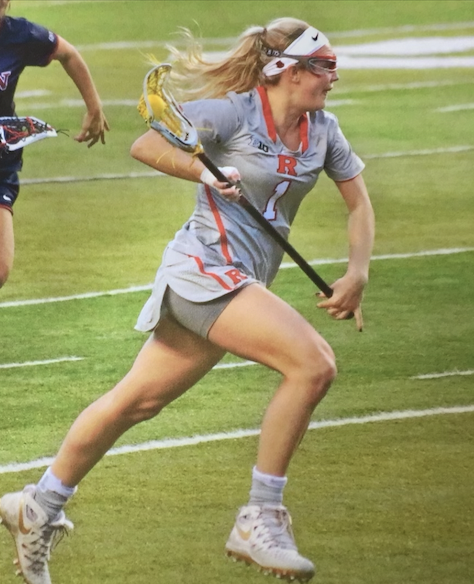
Dodging sessions start with keeping the stick safe while still moving fast. Coaches teach athletes to control the head of the stick with the top hand and keep the cradle smooth instead of tense. Players practice initiating contact angles, then rolling away without losing the ball. As reps build, athletes stop drifting side to side and start attacking downhill. That confidence shows up when dodges become purposeful instead of hopeful.
Quick Passing, Catch-to-Throw Speed, and Spacing Awareness in Small-Sided Play
Ball movement training focuses on speed of decision, not speed of arm. Coaches run small-sided games where athletes must move the ball quickly, then relocate to a better spot. Players learn to catch and throw without extra cradles, which keeps the defense scrambling. Spacing is reinforced constantly so lanes stay open. When it works, the offense feels effortless and connected.
Defensive Footwork, Stick-Up Pressure, and Angle Discipline Near the Crease
Defenders train to win with feet first. Coaches teach balanced shuffles that keep hips square and prevent attackers from turning the corner. Stick position stays active, applying pressure without lunging. Athletes practice forcing dodgers into help and recovering without losing leverage. Over time, defense becomes less frantic and more controlled.
Finishing Technique, Quick-Stick Timing, and Near-Pipe Control
Finishing drills emphasize scoring from tight spaces where the goalie has less time to react. Coaches teach athletes to catch and release quickly, keeping hands free and the stick head stable. Players rehearse near-pipe shots and low finishes that create high-percentage chances. Timing becomes the focus, especially when defenders are added. Athletes leave feeling more dangerous because the release is faster and more intentional.
Clearing Patterns, Outlet Vision, and Calm Transitions for Sabre Springs Lacrosse
Clearing work starts with vision and communication. Coaches teach athletes to identify safe outlets early and move the ball efficiently out of pressure. Players rehearse overhand carries and clean passes that keep the team spread properly. When chaos is introduced, athletes learn to stay calm instead of forcing risky throws. The clear becomes a controlled transition rather than a scramble.
Common FAQs
🥍 How much does private lacrosse coaching cost in Sabre Springs, CA?
Private lacrosse coaching in Sabre Springs generally costs $90 to $175 per hour, depending on whether the training is focused on stick skills, shooting, defense, or goalie work. Rates can be higher when a coach builds sessions around film-style feedback and game decision-making rather than only fundamentals. Athletes Untapped coaching can also be done one-on-one or in small groups, which changes the overall cost structure. Many families find that a consistent block of sessions before club tryouts provides the biggest return.
⌚ What age should kids start private lacrosse coaching?
A common starting range is ages 8 to 12, once kids can handle a stick safely and stay focused through structured reps. In Sabre Springs, many athletes first discover lacrosse through youth programs and then add private coaching when they want to make a club team. Starting around age 10 often works well because athletes can learn better habits before speed increases. Younger kids can still train, but lessons should prioritize confidence and basic stick comfort.
💪 Is private lacrosse coaching worth it for young athletes?
Yes, especially because lacrosse can feel overwhelming when everything happens fast. Athletes Untapped helps athletes simplify the game by building skills that show up under pressure, like clean catching, quick decisions, and comfortable dodging. Parents often see athletes become more assertive, because they trust their stick more. When that trust arrives, young players stop hesitating and start playing with intent.
⭐ How do I find the best private lacrosse coach in Sabre Springs, CA?
First, figure out whether your child needs offensive skill work, defensive technique, or general fundamentals. Athletes Untapped helps families match with coaches who align with those needs and who understand youth lacrosse development. In a first session, you want the coach to explain what they see and why it matters, not just run drills. A great coach leaves your athlete with one clear adjustment they can actually use in the next game.
👀 What should I look for in a private lacrosse coach for my child?
Look for someone who teaches lacrosse as a decision sport, not only a skill sport. A strong coach will also adjust the session to the athlete’s confidence level and keep the pace appropriate. Sabre Springs families often appreciate coaches who balance accountability with positivity so kids stay engaged. If your child starts noticing plays earlier in games, that is usually the coaching showing up.